
Commercial Air Bikes
Air bikes have a punishing reputation for delivering an intense workout, which is why they are a staple in many CrossFit boxes and HIIT gyms. With an air bike, resistance scales with user effort: the harder someone pushes or pedals, the more air the fan displaces. Athletes and gym-goers can’t hide or coast during workouts, so they deserve a place on your gym floor or in your home gym. For commercial gyms and PT studios, air bikes are great because they don’t require mains power and can be placed freely in smaller spaces. FitKit UK supplies commercial-spec air bikes from brands like Hammer Strength and Spirit Fitness.
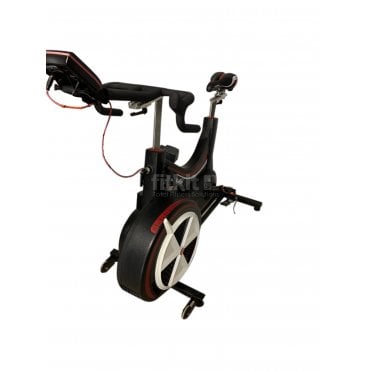


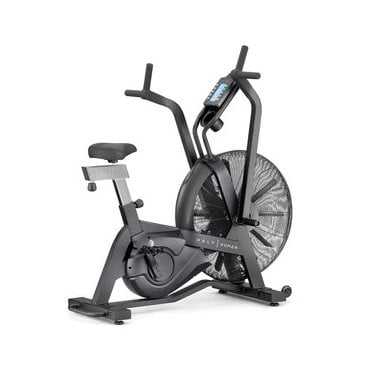
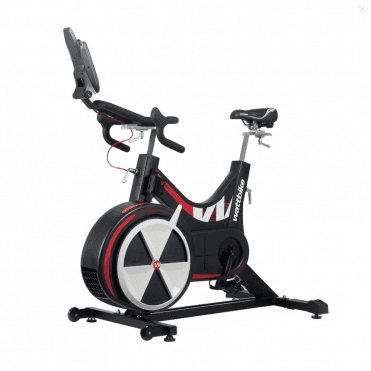
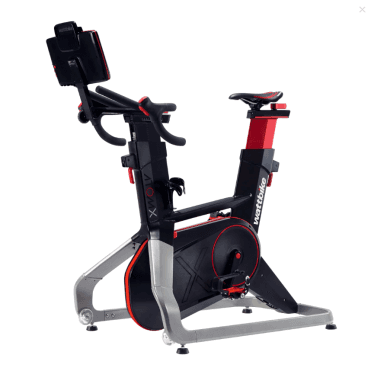
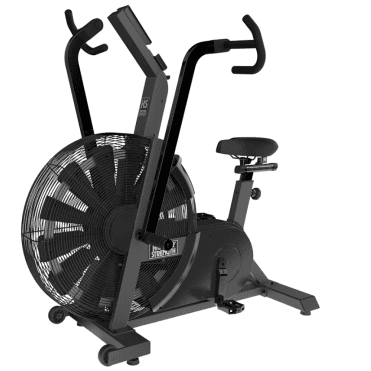
Air Bikes vs Assault Bikes
If you are confused about the difference between an Air Bike and an Assault Bike, you are not alone. Assault Bike is a brand name, not a different type of machine. The Assault Bike grew in popularity because it was featured heavily in the CrossFit Games, and the name became shorthand for a fan-driven bike.
Both names refer to the same equipment family, and they share three core features:
-
The Fan Acts as a Brake: Instead of friction pads or magnetic discs, the front wheel is an industrial fan, and as you pedal, the blades push against the surrounding air. This is a major difference compared with a generic upright or recumbent model.
-
Automatic User-Defined Resistance: You don't have to push buttons to increase resistance. If you pedal gently, resistance stays low. The harder and faster you push, pull, and pedal, the more air drag the fan creates, making it a demon for HIIT and CrossFit/Hyrox style workouts.
-
No Electricity Needed: An air bike is completely self-powered. Consoles run on simple batteries so that you can place them anywhere on the floor without extension leads or floor sockets.
Air Bike vs Concept2 BikeErg: Which Do You Need?
Shoppers often weigh up an all-body air bike against a stationary ergometer like the Concept2 BikeErg. Here is how they compare:
|
Feature |
Dual-Action Air Bike (e.g. HALF HUMAN, Assault) |
Concept2 BikeErg |
|
Upper-Body Workout |
Yes: Moving handlebars force you to push and pull |
No: Fixed handlebars, purely leg-driven |
|
Gearing & Coasting |
Direct drive: No gears; if the fan spins, pedals move |
Clutch & Damper: You can coast; lever adjusts airflow |
|
Pacing Style |
High-intensity intervals, sprints, all-out power bursts |
Long-distance aerobic base, cadence pacing, time trials |
|
Best Suited For |
CrossFit, Hyrox prep, HIIT stations, PT warm-ups |
Endurance road cycling indoors, steady-state cardio |
Belt Drive vs Chain Drive: Which model should I choose?
When choosing an air bike, the most practical decision you need to make is how power travels from the pedals to the fan. This comes down to two designs: belt drive or chain drive.
|
Feature |
Belt-Drive Air Bikes |
Chain-Drive Air Bikes |
|
Noise Level |
Quiet: Only hear the air moving through the fan |
Louder: Distinct mechanical chain rattle |
|
Maintenance |
Near-zero: No oil, degreaser, or re-tensioning needed |
Regular: Requires frequent oiling and chain tensioning |
|
Sprint Durability |
Built for heavy abuse; belt won't slip or drop off sprockets |
Chains stretch over time under hard sprint torque |
|
Cleanliness |
Clean; runs dry with zero oily residue on floors |
Can fling oil or drop black metal grime onto gym mats |
|
Best Choice For |
High-traffic commercial gyms, modern CrossFit boxes, Hyrox, PT studios, and home gyms |
Budget-focused buyers and purists wanting original Assault benchmarks |