
8 Things to Look for When Purchasing a Cross Trainer
You may be thinking about purchasing a cross-trainer, whether for your commercial fitness space or your home gym – if you are, this post is perfect for you.
We will outline all the considerations you need to consider when deciding if a cross-trainer should be your go-to cardio equipment. From budget to noise operation, we have thought about everything, so you don’t have to.

Content
- 1. Budget considerations
- 2. Space and size
- 3. Workout programmes and customisations
- 4. Console features
- 5. Machine durability
- 6. Noise operation
- 7. Brand reputation
- 8. Installation
1. Budget considerations
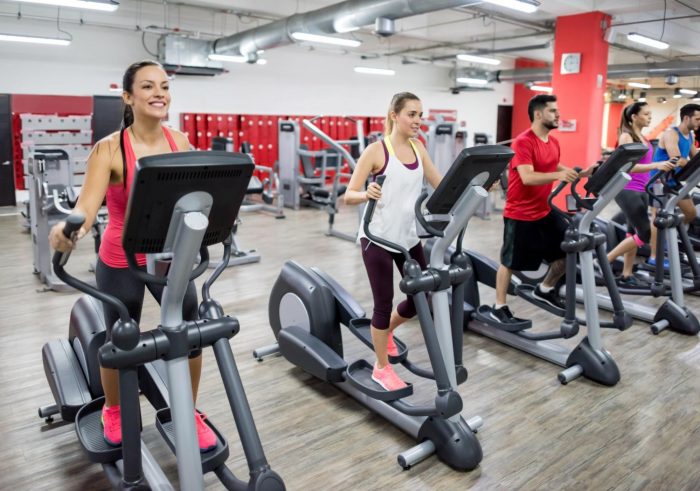
When researching cross trainers, you should first look at the different pricing options available. Like any piece of fitness equipment, you will find that depending on the price, features and durability will vary.
If you opt for a cheaper option, you may find that the fixture is not as durable and won’t be suited for commercial use; it is designed for use in home gyms. With a higher price point, you will find that the cross trainer will have more functionality and features to make the experience more enjoyable.
How much should a cross trainer cost?
As previously mentioned, the price of a cross trainer will depend on the functionality, brand and model you choose. At FitKit, our treadmills range from around £500 at the lower range and up to £12,000 for more commercial-grade pieces.
2. Space and size
Next up on your list of considerations should be the amount of space you have available within your fitness studio or home gym and the size of the cross trainer.
Commercial gyms
For commercial gyms, you should consider how many cross trainers you will need in your cardio area in comparison to other cardio equipment. Typically, cross trainers, along with exercise bikes and treadmills, are among the most popular machines for gym-goers to improve their cardiovascular fitness. Depending on the size of your gym and the number of members you have, you can allocate accordingly. On each of the product listings within the range, you will find dimensions that can be factored into a floor plan.
Home gyms
If you want to install a cross trainer in your home gym, then sizing should be a key consideration factor. Typically, home gyms are smaller in scale, and every inch of floor space is valuable – we recommend opting for a smaller cross trainer to ensure you can maximise other areas of the floor space for multi-functional fitness.
3. Workout programmes and customisation
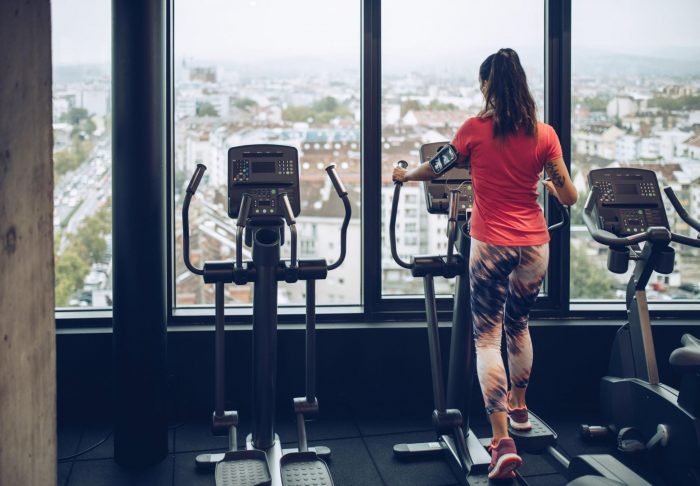
Are you someone who stays motivated, or do you need a workout program to work from? If so, some cross trainers offer a range of customisations and functionalities that can help you achieve your fitness goals in a fun and enjoyable way.
Assessing whether you want to purchase a model that is slightly more expensive but keeps you engaged is entirely up to you if you have a home fitness space. If you are looking to purchase a cross trainer for a commercial gym, we would recommend spending that little bit extra for a model that does offer customisation and workout programmes.
This will ensure that your clients have the option to stay engaged and want to work out on the cross trainer and also means you are providing a range of cardio equipment rather than just the standard treadmill and bike combination.

4. Cross trainer console features
With a cross trainer, there are many different console features that you should consider when choosing your model. Deciding which of the following features is important to you will help you work out the type of model you should be looking for.
Belt Driven – There are two types of cross trainers resistance control: magnetic resistance and belt resistance. Typically, commercial-grade cross trainers use magnetic resistance, and home gym cross trainers use a belt-driven system.
Bluetooth – Do you want to connect your mobile device to the cross trainer? Whether to control music, wearable devices or headphones, a cross trainer with Bluetooth functionality will allow you to create an enjoyable fitness experience.
LCD/LED/Touchscreen Display – Having an LCD/LED touchscreen display on your cross trainer will allow you to track progress in real-time, work with customisable fitness programmes and even watch TV or surf the internet. Wifi – Many cross trainers now allow you to connect to Wifi, which helps with a range of built-in entertainment systems, fitness workouts, and more.
5. Durability and build quality
How sturdy your cross trainer needs to be will depend on:
- The amount of usage
- The setting (commercial gym or home gym)
- Height and weight of the user
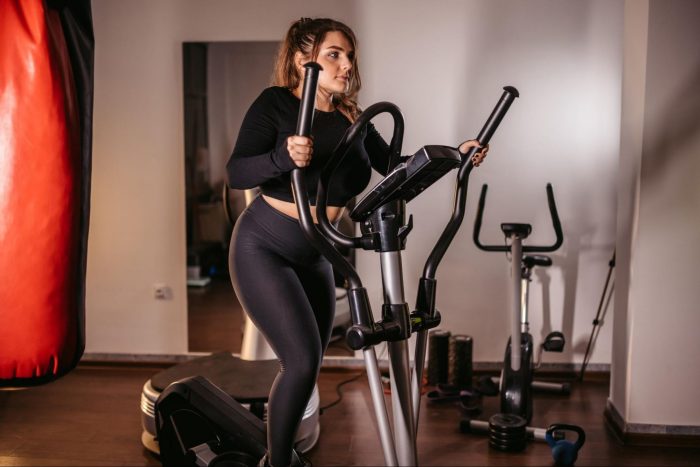
Having a sturdy cardio machine built with durable components is important as the user will be moving vigorously whilst exercising, and to ensure stability for user safety, your machine should be strong.
Cross trainer weight and height limits
If you are a commercial gym, you should cater to a wide range of body shapes and sizes with every piece of equipment you install. There are some cross trainer machines that have weight and height limitations, and these will be outlined in each product page or manufacturer manuals. Ensuring stride length isn’t compromised is important for user safety, so make sure you check within the description for more detailed product knowledge before purchasing.
Taking all of the above considerations into account, opting for a sturdy machine should be your priority for commercial space, whereas you can afford to put this lower on your list of priorities if you know the machine will be used minimally.
6. Quiet operation
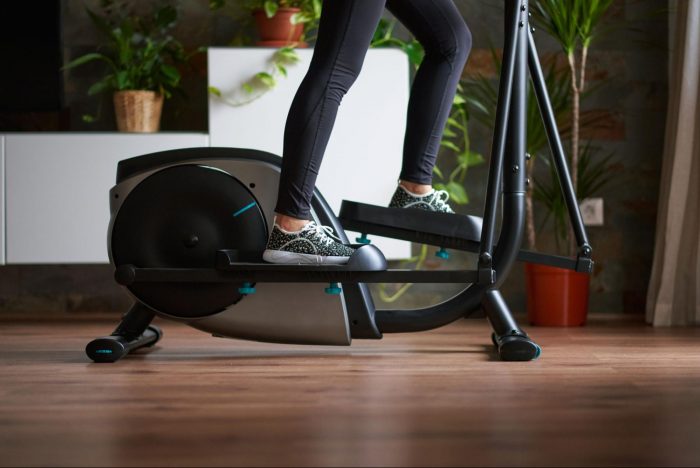
Making sure your cross trainer runs quietly and smoothly is important for both home gym fitness spaces and commercial gyms.
Home gyms
Quiet operation should be a priority for those looking to install a cross trainer in their home fitness space. Consider the noise output for neighbours and other household members before purchasing a cross trainer.
Commercial gym
Purchasing a noisy cross trainer is not as problematic for a commercial gym as it is for a home gym, as commercial gyms tend to be noisier anyway. You should try installing cardio machines with a quieter operational output to enhance the user experience within your commercial gym.
7. Brand Reputation
Another consideration point should be the reputation of the brand of cross trainer you are purchasing. At FitKit, we stock many reputable cross trainer brands to ensure you purchase the best cardio machine available.
Some of these reputable brands include Life Fitness, Technogym and Precor, to name just a few. We also stock new cross trainers, used cross trainers, which are usually more price efficient and even ex-demo cross trainers.
Within the range of cross trainers, you will also find we have categorised the machines based on their suitability for home use or commercial use.
8. Cross trainer installation
One final point to consider should be how you will get your cross trainer installed in your fitness space. Often, cross trainers can be heavy pieces of machinery and can be difficult to manoeuvre, especially upstairs or in multi-level fitness spaces.
At Fitkit, we offer an installation service to help minimise the stress of lifting and installing heavy equipment. Whether you are a commercial gym looking to purchase new equipment or you are upgrading your home gym – we are here to help.
Find your ideal cross trainer at FitKit today
Now that you know exactly what you should consider before purchasing a cross trainer, why not explore the full range of cross trainers available at FitKit today? We have cross trainers from a wide range of brands that offer features and functionality to help keep you or your clients engaged and ultimately achieve their fitness goals.
Comments are closed here.