
Magnetic Rowers vs Air Rowers: A Comparison Guide
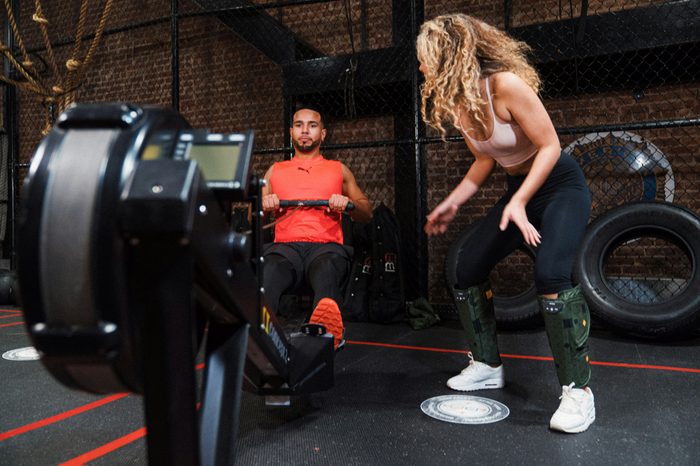
Rowing machines have earned a permanent spot on almost every gym floor. Whether you are outfitting a large commercial gym or building a home setup in your garage, a good rower delivers a full-body, low-impact workout that few other cardio machines can match.
When it comes to finding the right rower, it can be hard to get lost in the specifications. Air rower? Magnetic? Hybrid? Figuring out what’s right for you comes down to your training style and your environment. At FitKit, we are here to help you understand what it all means and find the right model for your goals or your fitness facility’s needs.
You don’t have to spend your entire budget to get top-tier quality. By exploring a mix of brand-new machines and certified used or ex-demo equipment, you can get exactly what you need, with the durability you expect, without paying full retail prices. Throughout this guide, we’ll make some guided product recommendations to help you take a step in the right direction.
| Key Takeaways: Air Rowers deliver dynamic, unlimited resistance: The faster you pull, the more drag you generate. They offer an authentic water-like stroke feel best suited for HIIT, CrossFit, and performance tracking, but generate fan noise. Magnetic Rowers are whisper-quiet: Resistance remains constant at your chosen setting regardless of pulling speed, making them ideal for flats, shared spaces, or early-morning workouts. Hybrid & Fluid Rowers offer extra versatility: Hybrids combine dynamic air drag with heavy magnetic baseline resistance for power work, while fluid rowers use real water tanks for a natural catch and sound. Certified pre-owned commercial machines maximise value: Buying refurbished commercial rowers (like Concept2 or Matrix) gives home users and gym owners elite durability and high resale value without full retail prices. |
Table of Contents
- How Air Rowers vs Magnetic Rowers Work
- Quick Comparison: Air Rowers vs Magnetic Rowers
- Key Buying Factors: Air vs Magnetic Rowers
- Buyer’s Guide: Which Resistance Type Should You Choose?
How Air Rowers vs Magnetic Rowers Work
Understanding how each rowing machine generates resistance is the easiest way to choose the style that fits your space and training goals.
Air Rowers
Air rowers use a spinning flywheel with fan blades to create drag. When you pull the handle, the fan spins and pulls in surrounding air. The mechanics are dynamic: the harder and faster you pull, the more air resistance you create. This setup offers an unlimited resistance ceiling and closely matches the natural feel of rowing on open water, making it ideal for commercial gyms that need to cater to every fitness level.
Because air rowers respond directly to your effort, they are the standard choice for high-intensity interval training (HIIT), CrossFit boxes, and commercial fitness centres.
Magnetic Rowers
Instead of a fan blade pushing against air, magnetic rowers use a metal flywheel paired with strong internal magnets. Adjusting the resistance dial or selecting a digital level moves the magnets closer to or further from the wheel to change the drag.
The key difference is that magnetic resistance is constant. Whether you pull slowly or sprint as fast as you can, the drag stays uniform at your selected setting. Because no fan blades chop the air, magnetic machines operate virtually silently, which is great for home spaces where you don’t want to upset your neighbours.
Hybrid Rowers
Hybrid rowing machines combine both mechanisms in one frame. They use an air fan to maintain a responsive, realistic stroke feel, while adding an adjustable magnetic brake so users can dial in heavy baseline drag for strength-endurance work.
Quick Comparison: Air Rowers vs Magnetic Rowers
If you are skimming for quick facts, here is how the two primary resistance types compare side by side:
| Feature | Air Rowers | Magnetic Rowers | Hybrid Rowers |
| Stroke Feel | Dynamic & responsive (feels like water) | Smooth & constant (uniform pull) | Dynamic air drag + heavy magnetic load |
| Noise Level | Moderate to high (fan wind noise) | Extremely low (whisper-quiet) | Low to moderate |
| Resistance Control | Controlled by stroke speed & damper setting | Selected digitally or via mechanical dial | Dual control (damper + magnetic levels) |
| Maintenance | Minimal (chain/belt cleaning) | Minimal (sealed magnetic systems) | Minimal to low |
| Best For | HIIT, CrossFit, commercial gyms, rowers | Apartments, late-night workouts, quiet spaces | High-intensity studio classes & targeted power |
| Featured In-Stock Models | • Concept 2 RowErg PM5 • Concept 2 Model D PM5 • HALF HUMAN Air Rower • Technogym Skillrow | • Matrix RXP Rower | • Life Fitness HEAT Performance Rower • Spirit CRW800+ Rower |
Key Buying Factors: Air vs Magnetic Rowers
When deciding between an air rower and a magnetic rower, four practical factors will dictate which machine is best for your gym floor: stroke feel, noise level, commercial durability, and budget.
1. Stroke Feel & Resistance Ceilings
Because air resistance is dynamic, there is no maximum resistance limit. The harder you pull, the more air drag the fan creates. This makes air machines like the Concept 2 RowErg and the HALF HUMAN Air Rowing Machine ideal for sprint intervals, HIIT sessions, and official ergometer benchmarks.
On magnetic rowers, resistance is fixed to set levels on the console. Pulling faster will not increase the drag beyond your chosen setting. A magnetic rower like the Matrix RXP Rower delivers a smooth, steady pull that works brilliantly for steady-state cardio, rehab, and target-based power intervals.
If you want both dynamic air drag and heavy baseline magnetic resistance, hybrid rowers combine both systems into one frame. Models like the Life Fitness HEAT Performance Rower and Spirit CRW800+ Rower let you switch between high-speed aerobic sprints and heavy strength-endurance strokes.
(Prefer a water-based catch instead? Fluid rowers like the Spirit CRW900 Fluid Rower use an internal water tank to deliver dynamic drag alongside a realistic swooshing sound.)
2. Noise Levels & Gym Environment
How loud a rowing machine is often decides the choice for home users, apartment dwellers, and boutique gym owners.
- Where Magnetic Rowers Win: Because magnetic resistance relies on internal magnets and a smooth metal flywheel, no air blades chop through the air.
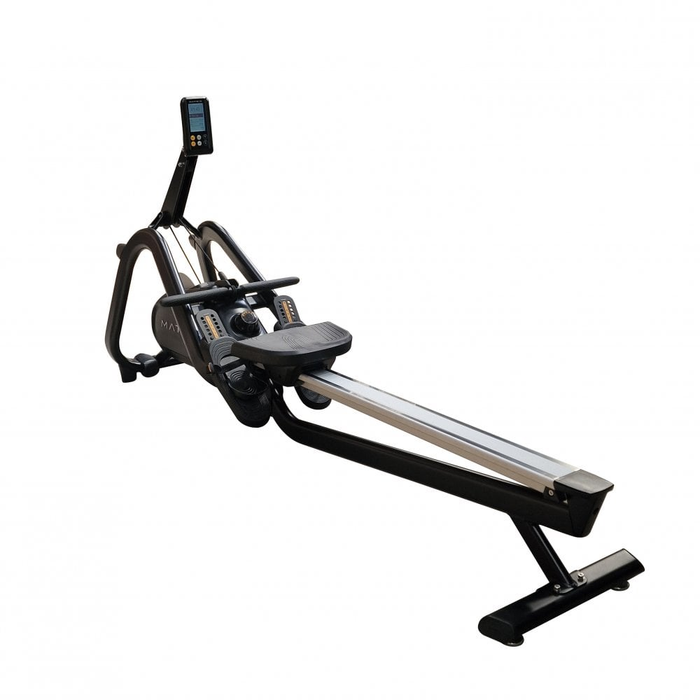
Product Recommendation: A magnetic machine like the Matrix RXP Rower operates almost silently. If your machine is going into a flat, an upstairs bedroom, or a shared living space where you plan to train early in the morning or while watching TV, magnetic is by far the most practical option.
- Where Air Rowers Fit Best: Air rowers push air through a vented flywheel enclosure, creating a distinct wind swoosh with every stroke. While many rowers enjoy the rhythmic sound of a fan, it can easily drown out background music or television audio.
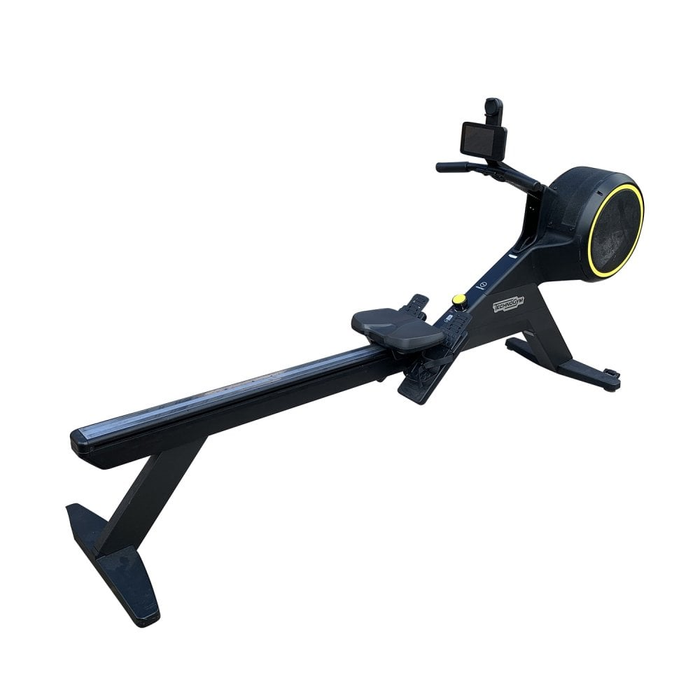
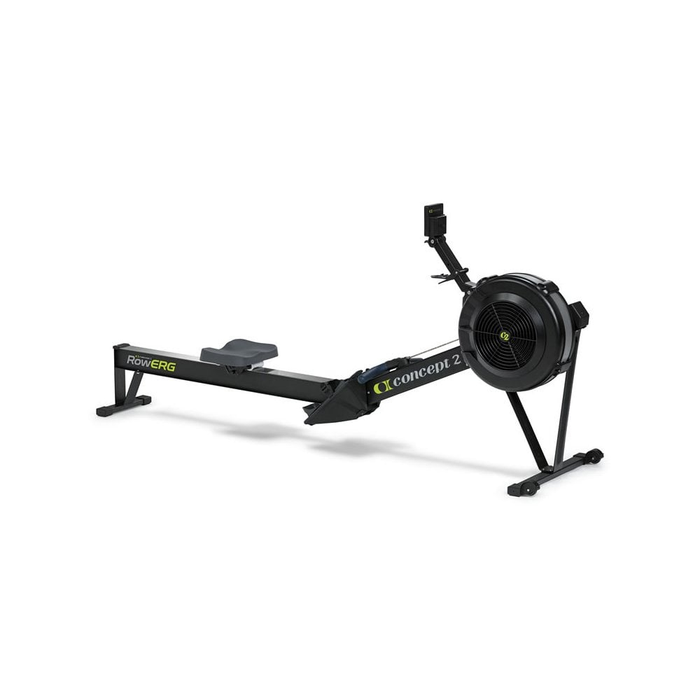
Product Recommendation: Air rowers like the Concept 2 RowErg or the Technogym Skillrow Rower are ideal for garage gyms, commercial fitness floors, and dedicated workout spaces where users and equipment can be loud.
- The Hybrid Middle Ground: Hybrid options like the Spirit CRW800+ Rower combine quiet magnetic drag for base resistance with a smaller air fan, keeping total noise well below that of a full commercial air rower.
3. Build Quality, Maintenance & Smart Value
Commercial-grade rowers are made to withstand thousands of hours of high-intensity use, but their construction differs depending on the resistance system.
- Durability & Longevity: Air rowers feature simple mechanical drive trains, typically nickel-plated steel chains attached to a weighted fan. With minimal electronic actuators or motors inside the flywheel housing, very little can go wrong over time. This makes pre-owned air rowers an exceptionally safe investment.
- Unlocking Value with Used & Ex-Demo Stock: You do not need to buy brand-new equipment to get commercial durability. Certified used machines, such as a pre-owned Concept 2 Model D PM5, give home users and commercial facility managers access to top-tier gym equipment at a fraction of original retail prices.
- Low-Maintenance Operation: Both magnetic and air rowers require very little upkeep. Beyond wiping down the monorail track and occasionally oiling the chain, modern commercial rowers are built for hassle-free ownership.
4. Space Requirements & Upright Alternatives
A standard seated rower requires a footprint of roughly 2.4 metres (8 feet) in length. If floor space is tight, or you want high-intensity air-resistance conditioning without a seated machine, vertical ski trainers offer an excellent solution.
Ski ergometers use the same air flywheel resistance mechanism as classic rowers, but in a compact, upright frame:
- Concept 2 SkiErg with Floor Stand: The industry-standard standing ski trainer, delivering high-calorie burn and upper-body conditioning using PM5 metric tracking.
- HALF HUMAN Ski Trainer with Floor Stand: A budget-friendly vertical conditioning alternative ideal for home studios and functional fitness setups.
Buyer’s Guide: Which Resistance Type Should You Choose?
Choose an Air Rower if:
- You want an authentic stroke: You prefer dynamic resistance that reacts naturally to your speed and effort, just like rowing on open water.
- You train for performance: You follow CrossFit programming, train for official rowing benchmarks, or compete on standard ergometer time trials.
- Noise is not a concern: Your setup is located in a garage, a commercial gym floor, or a dedicated workout room where fan noise won’t disturb anyone.
Choose a Magnetic Rower if:
- Silence is mandatory: You live in an apartment, share a house, or need to train late at night or early in the morning without waking others.
- You want controlled drag: You prefer selecting a set, consistent resistance level on the console for steady cardio sessions or strength rehab work.
- You want a sleek home footprint: You want a modern design with quiet digital console feedback.
Choose a Hybrid or Fluid Rower if:
- You want maximum versatility: You want the high-speed dynamic response of an air fan alongside heavy magnetic resistance for strength intervals, like on the Life Fitness HEAT Performance Rower.
- You prefer a natural water feel: You want dynamic resistance accompanied by the relaxing sound of moving water on a machine like the Spirit CRW900 Fluid Rower.
Find Your Ideal Rowing Machine at FitKit
Choosing the right rower comes down to balancing your space, noise restrictions, and training goals. Whether you want a brand-new commercial benchmark machine or to maximise your budget with certified pre-owned equipment, the right machine ensures long-term performance and reliability.
At FitKit, we stock a wide range of new, used, and ex-demo commercial gym equipment sourced directly from top fitness facilities and thoroughly inspected by our technician team.
Explore our full inventory of used rowing machines today, or contact our team for expert advice on home gym setups and commercial gym packages.
Related
Comments are closed here.