
Are Curved Treadmills Really Better? Standard vs. Curved Compared
When you’re looking to invest in a treadmill for your home or commercial gym, you’re faced with a growing number of options. For decades, the standard, motorised treadmill was the undisputed king. But in recent years, a new player has entered the arena: the curved treadmill.
Perhaps you’ve seen these unusual-looking machines in gyms or online and wondered, “Are curved treadmills really better? Is the hype justified, or is a traditional treadmill still the smarter choice?”
It’s a question many fitness enthusiasts are asking, and the truth is, the answer isn’t a simple yes or no. It depends heavily on your goals, training style, and what you value most in your cardio equipment.
In this post, we’ll put these two types of treadmills head-to-head. We’ll explore how they work, unpack their unique benefits and drawbacks, and directly compare their features to help you decide which is truly ‘better’ for your home gym and fitness journey.
Contents
- What Exactly is a Curved Treadmill?
- How Do Curved Treadmills Work?
- The Case For Standard Treadmill
- Benefits of a Curved Treadmill
- Curved vs. Standard Treadmills: A Comparison
- Choosing a treadmill based on your goals
What Exactly is a Curved Treadmill?
To understand if a curved treadmill is “better,” you must first know exactly what it is and how it differs fundamentally.
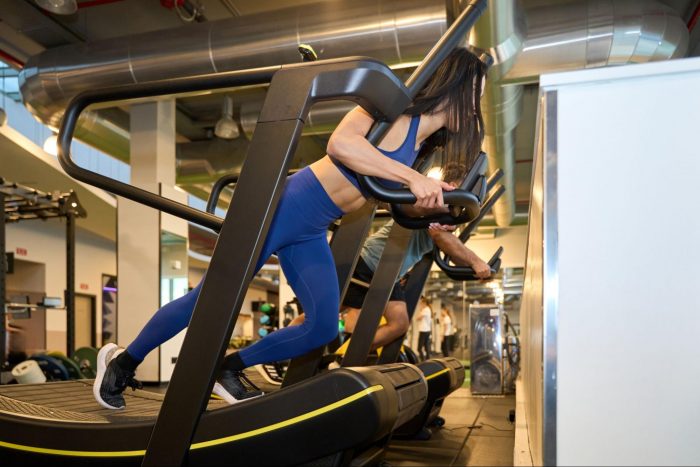
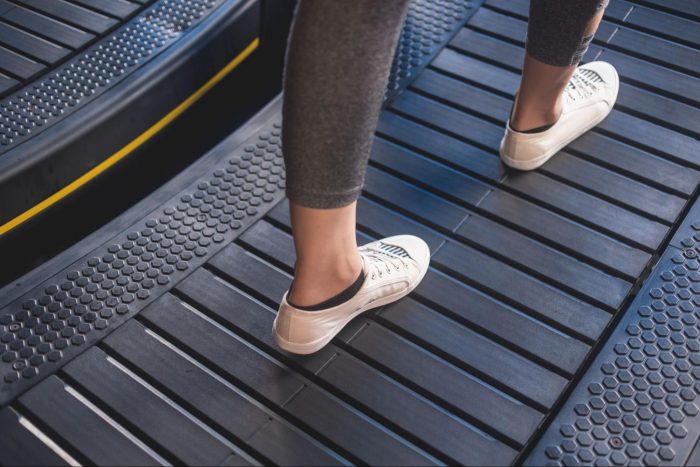
The most obvious feature is the concave running surface: it curves upwards at the front and back. But the real difference lies in its mechanics: there is no motor. The belt is entirely user-powered. Your energy and momentum are what make the belt move.
How do curved treadmills work?
The curved shape works in conjunction with gravity. As you strike the belt, you push it backwards. The curve allows the belt to return efficiently underneath your feet as you lift them, ready for the next stride. The speed is completely responsive to you. The faster you run, the faster the belt turns; when you slow down, the belt slows down; when you stop, the belt stops instantly.
The Case for the Standard Treadmill
Before we weigh the benefits of the curved model, let’s acknowledge the enduring appeal of the standard treadmill. These machines are a staple for a reason.
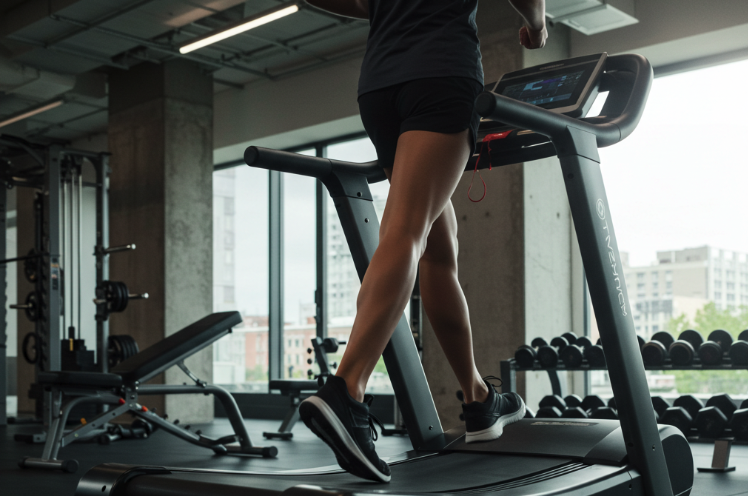
Standard treadmills use an electric motor to drive a flat belt at a consistent speed you set via the console.
Advantages of a standard treadmill
- Predictable & Consistent: Easy to maintain a specific pace for steady-state cardio or long-distance runs.
- Incline & Decline: Most offer adjustable inclines (and sometimes declines) to simulate hills and target different muscles.
- Structured Workouts: Often, standard treadmills come with a wide variety of pre-set programs for varied training (intervals, hills, fat burn, etc.).
- Features: They tend to have more built-in features like larger screens, entertainment options, and advanced metrics tracking.
- Familiarity: Most people have used one before, making it easy to jump on and go.
Benefits of a curved treadmill
So, are the benefits of a curved treadmill compelling enough to call it “better” overall? Let’s look at its key advantages:

Increased calorie burn
Your body expends significantly more energy because you do all the work to move the belt. This increased demand means you can burn more calories than running at the same speed on a flat, motorised belt, which is often why users perceive them as “harder” – they demand more physical effort, leading to a higher calorie burn and increased muscle engagement.

Improved Running Form
The curved shape encourages you to strike the belt closer to your centre of gravity, promoting a natural midfoot or forefoot strike. As a result, this can help correct overstriding, improve running efficiency, and encourage better overall running mechanics, potentially making you a better runner off the treadmill.
Lower Impact
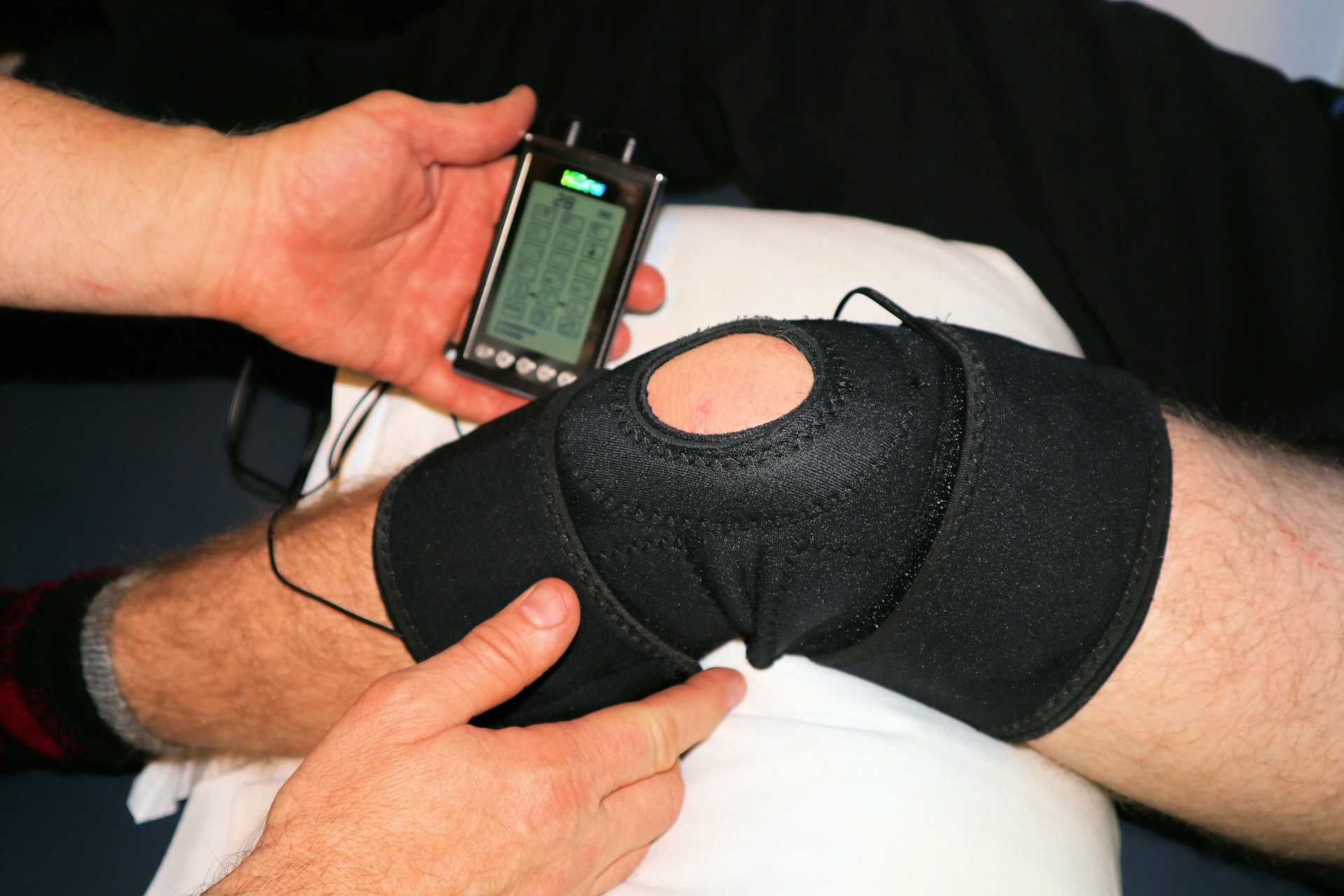
The combination of the responsive, self-powered belt (where your speed dictates the belt speed, not vice versa) and the potential shock absorption of the slatted surface can result in a lower impact on your joints than running on a hard, flat deck. As a result, this can be particularly beneficial for individuals concerned about stress on their knees, ankles, and hips. Say goodbye to your knee brace and achy joints.

Full Control & Responsiveness
The lack of a motor means instant transitions. Sprint, jog, walk, stop – the belt responds immediately to your pace change, making the curved treadmill versatile and great for those who like to control their cardio machine. This unparalleled responsiveness makes curved treadmills ideal for dynamic workouts like High-Intensity Interval Training (HIIT).
They work More Muscle Groups
The mechanics of propelling the belt on a curve require greater activation from your posterior chain muscles, particularly your hamstrings and glutes. As a result, this leads to a more comprehensive and functional lower-body workout than typically experienced on a standard treadmill.
Curved vs. Standard Treadmills: A Comparison
Let’s line them up side by side to help you decide which option is right for you.

| Feature | Curved Treadmill | Standard Treadmill |
| How it works | User-powered (you move the belt) | Moto-powered (motor moves the belt) |
| Speed control | Instantaneous, controlled by your effort | Set via console, consistent speed |
| Calorie burn | Potentially higher (more user effort) | A standard rate for speed/incline |
| Impact | Generally lower (design and form) | Varies by deck cushioning |
| Muscle work | More engagement (Glutes, Hamstrings) | Standard lower body engagement |
| Running form | Encourages natural mid/forefront strike | Can allow less efficient forms |
| Workout type | Excellent for HIIT, natural running | Great for steady state, precise pacing |
| Programs | Basic tracking (distance, time, speed) | Numerous pre-set workouts, custom options |
| Noise | Can be louder due to belt and slat movement | Motor noise. Generally smoother/quieter |
| Maintenance | Lower (no motor) | Requires motor maintenance and belt tracking |
| Price | Often higher initial investment | Wider range, more budget-friendly options |
Choosing a treadmill based on your goals
If you are still unsure whether to choose a curved or a standard treadmill, aligning your goals with the cardio machine can be a great way to decide on the type of model you want.
Choose a curved treadmill if your goals are:
- Increase calorie burn
- Improve running mechanics
- Train with high-intensity
- Protect your joints from impact
- Want better running form
Choose a standard treadmill if your goals are:
- Consistent speed control for specific training protocols (e.g. running at pace)
- Incline or decline workout variations
- Variation in your workouts
- Value entertainment features
- Need a budget-friendly choice
Find Your Perfect Treadmill at FitKit UK
Now that you have a clearer picture of the differences, benefits, and use cases for curved and standard treadmills, you can make a more informed decision.
Ready to experience the unique challenge of a curved treadmill or find a reliable standard model? Explore the range of high-quality treadmills available at FitKit UK. Which one will you choose?
Related
Comments are closed here.