
Are treadmills good for marathon training?
You’ve taken the plunge and signed up for a marathon! Congratulations.
The hard work begins now. Whether you are looking to take to the pavement for your training schedule, or you want to mix up your routine with a treadmill run – our guide will walk you through the dos and don’ts of marathon training on a treadmill.
Can you train for a marathon on a treadmill?
It’s a very big yes! Almost every runner utilizes a treadmill at some point during their marathon training. While running outdoors can improve your stability due to variations in terrain, treadmill training will certainly help you meet your cardiovascular training goals and force you to sustain speed and performance levels while taking the pressure off your joints. Experts generally recommend incorporating treadmill running to no more than 40% of your overall training plan and 60% training outside.
Marathon training treadmill
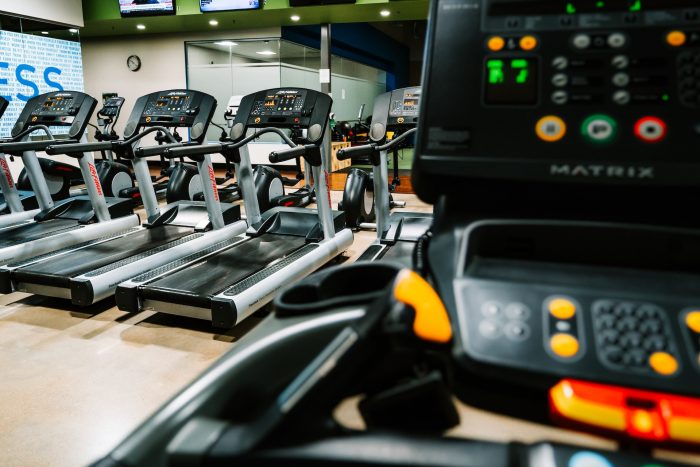
There isn’t a better treadmill on a market than a commercial grade, gym quality heavy duty machine, the one you’ll find in your local gym. Made from heavy duty materials, commercial treadmills are built to last and are extremely sturdy when you sprint.
The do’s and don’ts of marathon treadmill training
When training for a marathon on a treadmill, there are certain things you should and should not be doing during your training. Keep reading to determine if you are performing optimally or need to switch up some of your training regime.
The Do’s of marathon training on a treadmill
- Warm-up: Make sure you warm up before stepping on the treadmill. It can be tempting to dive straight into training, but to ensure you don’t injure yourself _ warm up!
- Replicate outdoor conditions: When training on a treadmill, you are essentially running still in one position. To create a scenario similar to race day, adjust the incline occasionally, as this will help develop your ankles and other leg muscles to the authentic conditions.
- Keep your eyes up: It can be tempting to try and keep track of your run by looking at the progress chart on the treadmill. Make sure you keep your eyes and body up whilst running, as you won’t have the progress chart on the big day.
- Run with your natural stride: Treadmills can force you to change your stride depth compared to your natural running technique. Make sure you stick to your natural stride for the best results.
- Find the right shoes: Training with the right running shoes will help you with comfort and foot health; find a pair that provides enough cushioning, grip and stability underfoot.
The Don’ts of marathon Training on a treadmill
- Don’t stick to the same routine: Make sure to mix up your regime when training for a marathon. We recommend switching up your training with the following types of runs: long runs, easy runs, intervals and tempo runs.
- Don’t change your natural arm movements: To help conserve energy, try and keep your arms in a natural stance. This will help to keep your form in good shape, and you won’t exert as much energy, allowing you to go further.
- Don’t overtrain: Make sure to get your training balance right. You don’t want to overtrain and exert your body multiple times a week. Aches and pains are natural and are often a sign that you are progressing; however, if you place your body under too much stress, you could cause yourself an injury.

Find commercial grade Treadmills at FitKit UK
If you are looking for treadmills you can train for your marathon on, we have a wide selection of commercial grade treadmills available at FitKit for you to use. The full range of treadmills includes some of the finest brands available including NordicTrack and Life Fitness treadmills.
Comments are closed here.