
Most Common Gym Mistakes and How to fix them
As the new year fitness boom comes and you return to the gym, we thought it would be important to investigate the most common gym mistakes and tell you how to fix them.
We spoke to two industry professionals, one a celebrity personal trainer and the other a physiotherapist, for the best advice on what not to do when you enter the gym.
Keep reading to discover what not to do in the gym, some of the most common injuries and, most importantly, how to fix your mistakes before they cause you an injury.
Contents
- Meet the professionals
- The most common mistakes made in the gym
- Not warming up or cooling down
- Not having a structured plan
- Lifting too heavy
- Poor form
- Overtraining
- What is the most common injury in the gym
Meet the professionals
At FitKit, we are experts in the fitness space with many connections to helpful professionals, and we want you to be able to hit your goals and enjoy your time at the gym. We consulted two experts for guidance that will help inform you how to conduct your gym sessions and allow you to train effectively and safely.
1. Scott Harrison, PT and nutrition expert
Scott Harrison is a personal trainer, nutrition expert, life coach, motivational speaker and black-belt karate instructor. Scott has worked with many celebrities, including Rylan Clark, Peter Andre, Sara Cox and Tommy Mallet.
Scott has a wealth of knowledge and experience within the fitness industry and has helped tens of thousands of people achieve their dream bodies with his expertise. His latest endeavour, Eat Your Way to a Six Pack, contains healthy recipes to help transform your body.
2. Kieran Sherian, Physiotherapist and co-founder of GulfPhysio

Co-founder of GulfPhysio and physiotherapist Kieran Sherian has a wealth of knowledge regarding sports injuries, having helped many patients over the years.
As the co-founder of GulfPhysio, Kieran makes a living informing those in pain on appropriate recovery options for injuries from exercise. As GulfPhysio is one of the largest online stores for physiotherapy supplies in the UAE, it is fair to say he knows his stuff.
What are some of the most common mistakes people make in the gym?
After speaking to our industry professionals, we have compiled a comprehensive list of the problems they see every day and how you can fix them.

Not warming up or cooling down
It is important to warm up before you do any type of exercise, as this will help increase the blood flow in your body and help get your heart racing. Warming up also helps increase the amount of oxygen that reaches your muscles and primes the connections between the nerves and muscles to help improve movement efficiency.
What the experts say:
Physiotherapist Kieran Sherian explains how important it is to warm up before exercising and what can happen if you don’t:
“ Warm-ups increase blood flow, improve flexibility, and prepare the body for the stress of exercise. Cool-downs help in gradual recovery, reducing muscle soreness and stiffness. These routines are crucial for preventing injuries by ensuring the muscles and joints are well-prepared and recovered from the stress of exercise.”
How to fix it?
Make sure to dedicate some time to warm up and cool down at the start and end of your workout. You may be excited and eagerly eyeing up the squat rack, but taking this extra time is important if you want to perform effectively and minimise your chances of injury.

Not having a structured plan
Heading into the gym without knowing what you are going to work on is a common mistake highlighted by celebrity PT Scott Harrison:
“The most important mistake people make when going to the gym is not having a structured plan. Psychologically, humans work well with structure and routine and walking in not having a clue on what you are going to do is really off-putting. When we are clear on what we are going to do from start to finish we can get stuck in straight away and enjoy the progress as we tick the boxes of accomplishment.”
How to fix it?
Scott explains how you can overcome this struggle and create your own plan: “My easy fix to this is to, of course, decide what it is you wish to work on, write it down to start with, do 4 sets of 12 on each exercise and view every full workout session as an obstacle course and your job is to get from one end to the other. How long it takes and how many breaks you take is entirely up to you; however, always push yourself.”

Lifting too heavy
One of the most common mistakes people make when they start the gym is lifting weights that are too heavy for them. Kieran explains how this approach can cause injuries:
“The most common mistake that people make is using too much weight, which can lead to improper form. Additionally, people tend to overtrain, skip warm-ups and cool-downs and neglect certain muscle groups. These tend to lead to injuries because of the cumulative effect of these issues. This can be as simple as people using weights that are much too heavy for their workouts, and their body can’t handle it, causing an injury.”
How to fix it?
To make sure you don’t cause yourself an injury by lifting too heavy, you should start your routine by performing the exercise with a comfortable weight. Your form should be technically correct, and you shouldn’t be compromising on your form just because you want to lift heavier.
Kieran explains the fix for this further: “People would have to start off doing those exercises without weights, at first, to manage proper form, and then (while listening to your body), add progressive overload.”

Poor form
Another mistake that is fairly common for newcomers and experienced gym members is poor form. Poor form is typically an education issue when completing a particular exercise. Bad form can arise for multiple reasons, including complacency, an inability to perform the full range of motion due to the weight being too heavy, or not knowing which muscles to activate.
Kieran told us how having poor form can impact joints and the most common exercises that, if performed incorrectly, can cause injury:
“Proper form is needed to target the intended muscles effectively and avoid undue stress on joints and other non-targeted muscle groups. For exercises like deadlifts and squats, the incorrect form can lead to severe back, knee, and shoulder injuries.”
How to fix this?
Before you step into the gym with your agenda in hand, make sure you research the movements included in your plan. If you can, try to watch videos on how to perform your exercises with the correct form.
We have a wealth of information on performing a wide range of exercises on our blog – make sure to check those out! Alternatively, you could ask a professional in the gym for some pointers on correcting your form.

Overtraining
You may think that spending hours and hours in the gym will be beneficial, but it could be one of the key mistakes you are making in the gym. After all, muscle recovery is important for growth, and Kieran explains this in more detail:
“Overtraining can lead to chronic fatigue, decreased performance, mood disturbances, and increased injury risk.”
Some key signs that you may be overtraining include:
- You can’t lift weights that were once achievable.
- Overall performance plateaus or even gets worse.
- It takes a long time for your muscles to recover.
- Unusual muscle soreness.
How to fix it?
Kieran recommends starting at a slower pace: “I’d recommend beginners to start slow, listen to their body, and perform a variety of workouts so as not to overexert any particular muscle group.”
We would also stress the importance of rest days and allowing your muscles to recover properly. You could try active rest days, including walking, slow jogging or a steady cycle.
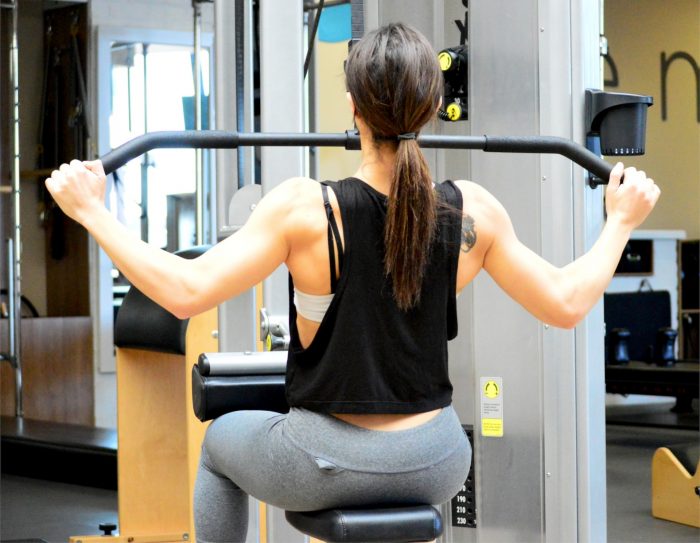
What is one of the most common injuries from the gym?
To ensure you are knowledgeable about the mistakes and risks that can occur at the gym, we asked physiotherapist Kieran Sherian about the injuries he often sees from his clients.
“Mostly back injuries; this is because the back becomes more inflexible as people age, and adding extra weight and bad form can cause mishaps.”
How to fix or prevent this?
Kieran explains how you can prevent this from happening:
“Effective treatments include flexibility and mobility work followed by core strengthening exercises. Later, we can focus on proper form and then safe progressive overloads.”
Step into the gym with confidence thanks to FitKit
Now that you know some key insights from the professionals on what not to do in the gym, make a start by doing all of the right things. At FitKit, we help you level up your fitness space and help your clients achieve their fitness goals. Make sure to check out all of our industry expert knowledge on our blog, including workouts, buying guides and more. We also have a wide range of commercial-grade fitness equipment ideal for gym spaces and home gyms. Check out the selection of cardio equipment and strength equipment available and transform your fitness space into a place your clients want to train.
Related
Comments are closed here.