
A Gym Owner’s Guide to Creating Strategic Strength Zones

A well-equipped gym is essential, but a well-planned gym is the key to a thriving business.
Without a clear gym layout plan, a space can quickly become chaotic, leading to bottlenecks, member frustration, and even safety concerns. Issues like this occur particularly in strength training, where different disciplines, such as powerlifting and functional fitness, have distinct equipment and space requirements.
At FitKit, we believe a strategic solution lies in creating dedicated strength zones. These specialised areas transform your gym from a collection of equipment into a cohesive, efficient, and inspiring training environment.
In this guide, we’ll delve into the business case for creating a zoned gym layout, provide a practical blueprint for planning and equipping your zones, and discuss how to implement and market them for maximum success.
Contents:
- Why strength zones?
- Planning your strength zones
- Types of strength zones and essential equipment
- Establishing clear rules and safety protocols
- Implementation and marketing of your new zones
- Build a better business zone by zone
Why strength zones? The business case for gym owners
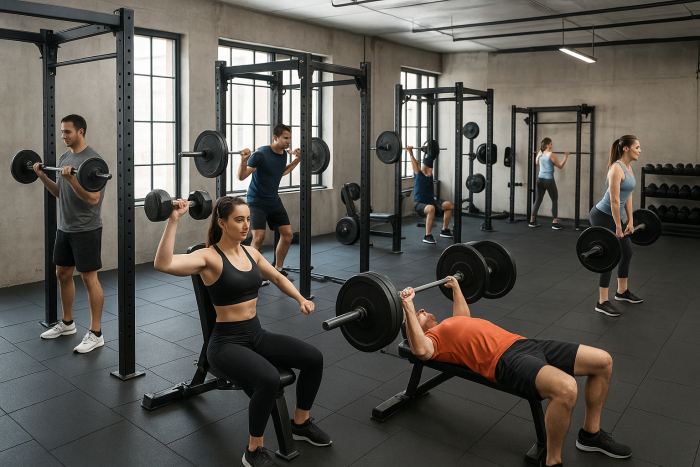
Implementing a zoned approach to your gym’s strength area is more than just an aesthetic choice; it’s a strategic move that directly impacts member satisfaction and your bottom line. Here’s why strength zones are a great idea for your commercial space;
1. Enhanced member experience
Dedicated zones cater to specific training needs and preferences, making members feel understood, valued, and safe. This way, experienced powerlifters have their own dedicated space, whilst beginners can feel comfortable learning in a less intimidating area.
2. Increased efficiency and flow
The strategic placement of equipment reduces gym-floor traffic jams and bottlenecks, ensuring a smoother and more efficient workout for everyone. Members can move seamlessly between exercises without waiting for equipment or navigating crowded areas.
3. Safety and injury prevention
By organising equipment by function and implementing zone-specific flooring, you minimise the risk of improper use and accidents.
4. Specialisation and niche marketing
Well-designed strength zones allow you to market to specific demographics. You can attract and retain serious powerlifters, bodybuilders, and functional fitness enthusiasts simultaneously, broadening your gym’s appeal and reputation.
5. Revenue opportunities
Dedicated zones create opportunities for specialised coaching, small-group training, and premium memberships that grant exclusive access to certain areas or classes.
Planning your strength zones: A step-by-step blueprint
If you’ve already recognised the value in planning strength zones for your commercial gym space, the next stage is planning.
Creating effective strength zones requires thoughtful and logistical planning, as well as an understanding of your gym’s unique space and clientele.
Here are the key things to consider;
- Space assessment: Begin by analysing your existing gym layout. Identify open areas, potential flow patterns, and where to place zones to best manage noise, foot traffic, and equipment requirements.
- Target audience and goals: Survey your members to understand their training preferences. Do you have a large base of powerlifters, or is your clientele more focused on general fitness and bodyweight exercises? Doing this will help inform how much space to allocate to each zone.
- Budget allocation: Prioritise equipment purchases and specialised flooring. Start with the most essential equipment for your primary target audience and expand as your budget allows.
- Flow and accessibility: Ensure logical pathways between zones to maximise space. For example, placing free-weight benches near dumbbell racks is a great example of reducing unnecessary movement and improving your gym’s flow.
- Noise and vibration control: For zones with heavy lifting, invest in specialised, high-density gym flooring to absorb impact, reduce noise, and protect your building’s foundation.
- Lighting and aesthetics: Use lighting to your advantage. Brighter, more focused lighting can highlight a powerlifting zone, while softer, ambient light can create a calmer atmosphere in a recovery or stretching area.
Types of strength zones and essential equipment
So, now you know how to plan out your space with strength training in mind, here are some popular zones you could include in your layout. Here is a breakdown of some key strength zone options and the essential equipment needed to build them.
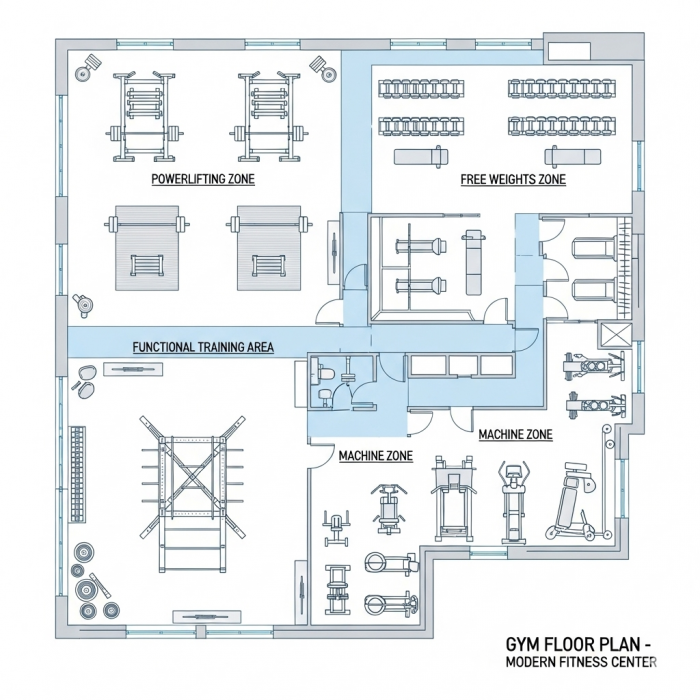
Remember, not every zone is essential; you should always base your strength zones on your members’ needs to determine which are necessary for your space, setting it up for success.
1. Powerlifting / Heavy Lifting Zone

Purpose: Powerlifting zones are for serious strength athletes and members focusing on compound lifts.
Key equipment to include in your space:
- Power racks and squat racks: Multiple units are recommended.
- Olympic barbells: Utilise various weights for different user abilities.
- Bumper plates: Essential for deadlifts and Olympic lifts. Choose weights in a selection of sizes.
- Weightlifting platforms: Raised, shock-absorbing platforms.
- Adjustable benches: For flat, incline, and decline presses.
- Spotter arms / Safety straps: Vital for safety.
- Flooring: Heavy-duty rubber matting, ideally 20-30mm thick or more.
2. Free Weights / Dumbbell Zone

Purpose: General strength training, mobility, accessory work, and higher rep ranges.
Key equipment to include in your space:
- Dumbbell racks: A full range of weights, from light to heavy, tailored to all abilities.
- Adjustable benches: To accommodate various exercises.
- Speciality benches: Such as preacher curls or hyperextension benches, tailored for specific workouts.
- Kettlebells and resistance bands: For free weight and mobility work.
- Flooring: Durable rubber matting, 10-15mm thick.
3. Functional Strength / Bodyweight Zone
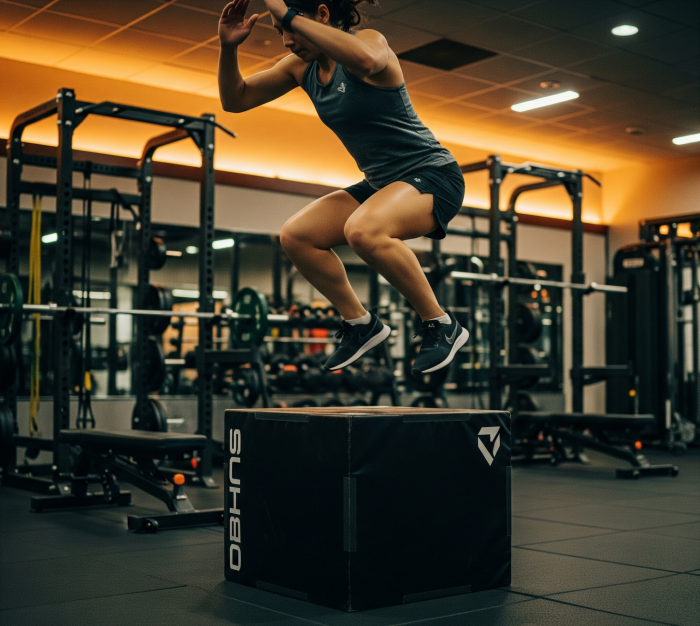
Purpose: Bodyweight exercises, plyometrics, stability training, and core work.
Key equipment to include in your space:
- Pull-up bar station/rig: A versatile rig with multiple grip options.
- Dip station, plyo boxes, and medicine balls.
- TRX/suspension trainers and battle ropes.
- Flooring: Padded flooring, softer rubber, or artificial turf.
4. Machine-Based Strength Zone
Purpose: Targeted muscle group isolation, ideal for beginners or those who prefer guided movements.
Key equipment to include in your space:
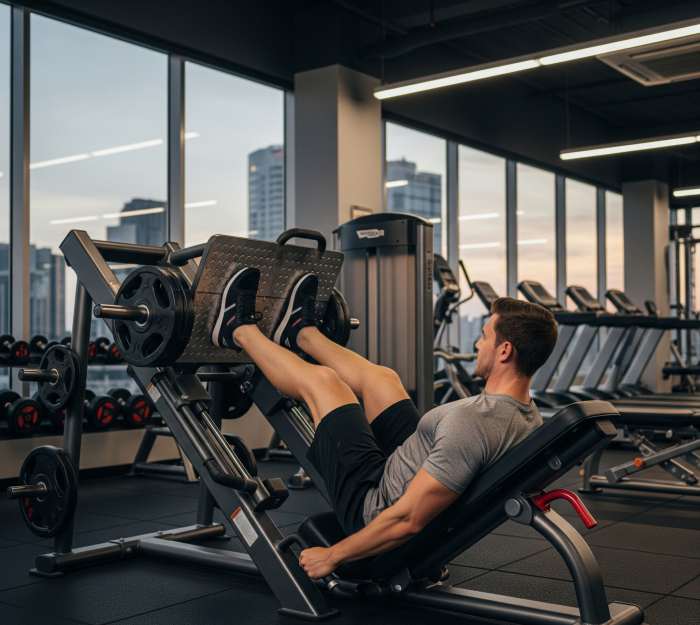
- Selectorised machines: Such as a leg press, lat pulldown, and chest press.
- Plate-loaded machines: Like a hack squat or T-bar row.
- Cable crossover machine
- Flooring: Standard gym flooring, 8-10 mm rubber.
Establishing clear rules and safety protocols
Once your strength zones are in place, establishing and enforcing clear rules is crucial for maintaining member safety and fostering a positive gym environment.
Visible guidelines help reduce the risk of injury, prevent equipment damage, and ensure every member feels comfortable.
- Signage: Install clearly visible and easy-to-read rules for each zone. These should outline expected behaviour and the purpose of the area.
- Spotter policy: Encourage and educate members on how to spot safely. Consider a policy where heavy compound lifts require a spotter.
- Equipment etiquette: Display clear rules about racking weights after use, using collars on barbells, and cleaning equipment with provided sanitising wipes to keep the space tidy and hygienic.
- Noise and dropping weights: Set guidelines for noise levels. In the powerlifting zone, designate platforms with bumper plates as the only areas where weights can be dropped to protect your floors and manage noise.
- Footwear: Enforce a strict policy on appropriate closed-toe athletic shoes to prevent injury.
- Traffic flow: Mark designated pathways and waiting areas to prevent bottlenecks and ensure a smooth flow of traffic, especially around popular racks and machines.
- Staff supervision: Ensure your staff are well-trained, visible, and actively supervising the floor. Their presence can prevent unsafe behaviour and answer member questions.
- Maintenance: Establish a regular schedule for checking all equipment and flooring for wear and tear. Proactive maintenance prevents accidents and extends the lifespan of your investment.
- First aid: Make sure first aid and emergency procedures are clearly posted and accessible to both staff and members.
Implementation and marketing of your new zones

Once you’ve decided on the strength zones relevant to your gym and have a plan in place, a smooth rollout is key to its success.
Here’s how to prepare your staff and market your newly created strength zones seamlessly;
- Take on a phased approach when implementing your zones. If budget is a concern, implement one or two zones at a time, based on the functionality of your gym space.
- Ensure your staff are well-versed in the purpose of each zone and can demonstrate proper form and etiquette.
- Offer free workshops or guided tours to introduce current members to your gym’s new layout and help them feel comfortable using the equipment.
- Promote the new zones through social media, in-gym signage, and local advertising. Highlight how your gym’s new layout caters to specific fitness goals.
Build a better business: Zone by zone with FitKit
Moving away from a disorganised gym floor to a well-defined, zoned layout is one of the smartest investments a gym owner can make. Demonstrating a commitment to your members’ safety, results, and overall experience, implementing zones also improves the efficiency and appeal of your facility.
Ready to redefine your gym’s key strength zones? Explore FitKit’s extensive range of strength equipment and start planning your perfect gym layout today!
Related posts:
Best Strength And Resistance Machines For Building Muscle
Comments are closed here.