
The Ultimate Guide to Strength & Resistance Machines for Maximising Muscle Growth

There’s a common misconception that free weights are the only way to achieve significant muscle hypertrophy (muscle growth). However, free weights can present their own challenges, including a higher risk of injury and less targeted isolation of specific muscle groups.
But what if we told you that strategically chosen and properly utilised machines are not just alternatives, but incredibly effective tools for maximising muscle growth?
For gym owners, understanding this isn’t just about offering more options; it’s about catering to diverse training styles, reducing injury liability, enhancing member results, and optimising your gym’s space and appeal.
In this guide, FitKit will delve into the science of machine-based hypertrophy and highlight the best gym equipment for building muscle. So whether you’re looking to build muscle or wondering the best machines to add to your home or commercial space to do just that, we’ve got you covered.
Contents:
Selectorised vs. Plate-Loaded vs. Cable Machines
Top strength and resistance machines for building serious muscle
Integrating machines for optimal results and gym success
Why strength machines are your gym’s hypertrophy powerhouse
Machine-based hypertrophy: Why machines build muscle
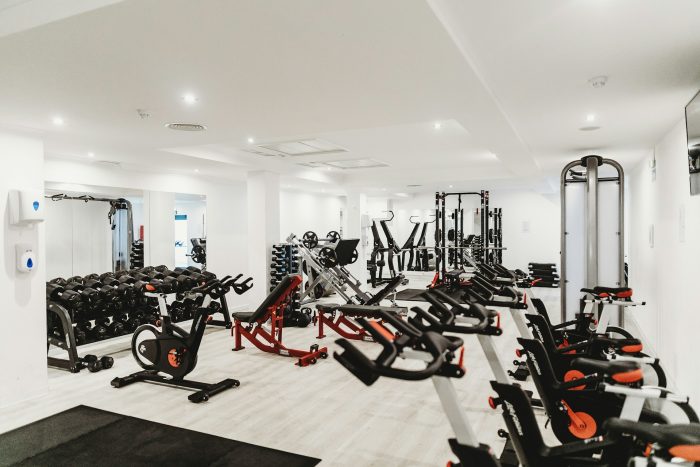
Machines aren’t just for beginners; they offer unique advantages that make them powerful tools for muscle growth, even for advanced lifters. Here are some of the key benefits machine-based lifting can offer:
1. Consistent mechanical tension
Machines are designed to provide consistent tension on the target muscle throughout its entire range of motion. This constant load is a key driver of muscle protein synthesis and, ultimately, muscle growth.
2. Reduced stabiliser demand
By stabilising the movement for the user, machines allow for a greater focus on the target muscle. This enhanced isolation means the working muscle can be pushed to a higher intensity, leading to more effective hypertrophy.
3. Safety and progressive overload
The fixed path and controlled environment of machines enable users to safely push to muscular failure without worrying about technique breakdown. This consistent, measurable application of progressive overload is fundamental for continuous muscle gains.
4. Enhanced mind-muscle connection
The inherent stability of machines frees the user from focusing on balance, allowing them to truly feel and contract the target muscle, which is crucial for optimising muscle activation.
5. Reduced fatigue and injury risk
Compared to complex compound free-weight movements, machines generally impose less systemic fatigue and carry a lower risk of injury. This allows members to perform more training volume and recover faster, which directly supports greater muscle growth.
6. Versatility in training
Machines are incredibly versatile. They can be integrated for warm-ups, pre-exhaustion sets (fatiguing a muscle before a compound lift), post-fatigue sets (finishing off a muscle), drop sets, and supersets, all of which are effective techniques for building muscle mass.
Selectorised vs. Plate-Loaded vs. Cable Machines: Choosing for muscle growth
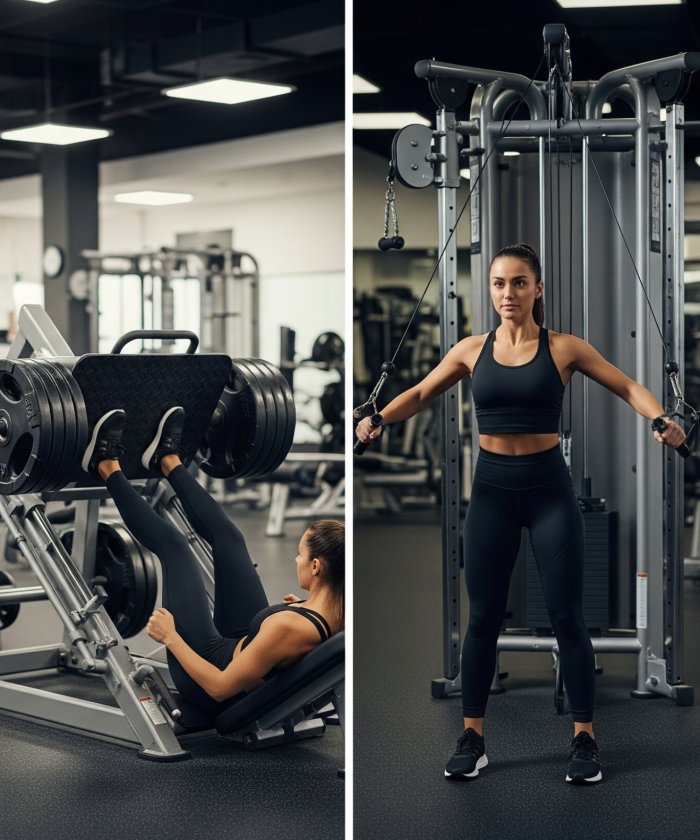
Not all machines are created equal, and understanding the differences is key to making the best choices, whether choosing for your gym or for your own muscle-building goals. Read on for the pros and cons of each and the best use cases.
Selectorised machines
These are the most common types of strength machines. Weight is selected by inserting a pin into a weight stack.
- Pros for hypertrophy: Convenience, quick weight changes (ideal for advanced techniques such as drop sets and supersets), user-friendly, and safe for pushing to failure.
- Cons: Limited weight stack capacity, fixed movement patterns can sometimes feel less functional, and may engage fewer stabiliser muscles.
- Best use cases and positioning in a gym: High-traffic areas and circuit training zones. Ideal for beginners, post-injury rehabilitation, isolation work, and efficient high-volume sets.
- Best examples: Standard Chest Press, Lat Pulldown, Leg Extension, Leg Curl, Ab Crunch Machines.
Plate-loaded machines
Plate-loaded machines require users to load weight plates onto them, mimicking the feel of free weights with added stability.
- Pros for Hypertrophy: Mimic free-weight movements with enhanced stability, often allow for unilateral (single-limb) training, offer virtually unlimited weight capacity, are highly durable, and often provide superior resistance curves.
- Cons: Slower to change weights, requires understanding of managing weight plates, and can be more intimidating for absolute beginners.
- Best use cases and positioning in a gym: Targeting specific muscle groups with heavy loads, simulating compound movements, catering to experienced lifters, and powerlifters for accessory work.
- Best examples: Leg press, ISO-Lateral Chest Press, Row Machines, V-Squat.
Cable Machines – The Hybrid Powerhouse
Cable machines offer adjustable pulleys and a vast array of attachments, providing unique benefits for muscle building.
- Pros for hypertrophy: Incredibly versatile for targeting almost any muscle, constant tension throughout the entire range of motion, allows for multi-planar and rotational movements, exceptional for isolation and finishing exercises.
- Cons: Can sometimes feel less heavy than fixed-path machines and requires more user knowledge to set up various exercises.
- Best use cases and positioning in a gym: Targeting almost all muscle groups, dynamic movements, pre-exhaustion, drop sets, functional training integration, and advanced isolation work.
- Best examples: Cable Crossover, Cable Row, Tricep Extension and Dip, Cable Bicep Curl.
Top strength and resistance machines for building muscle
Now that you know the pros and cons of each type of machine, if you’re outfitting your commercial gym, you’ll want to cater to different members focused on hypertrophy effectively.
For best results, here are our top suggestions on the types of machines to include, and the muscle groups they work:
Leg and glute builders
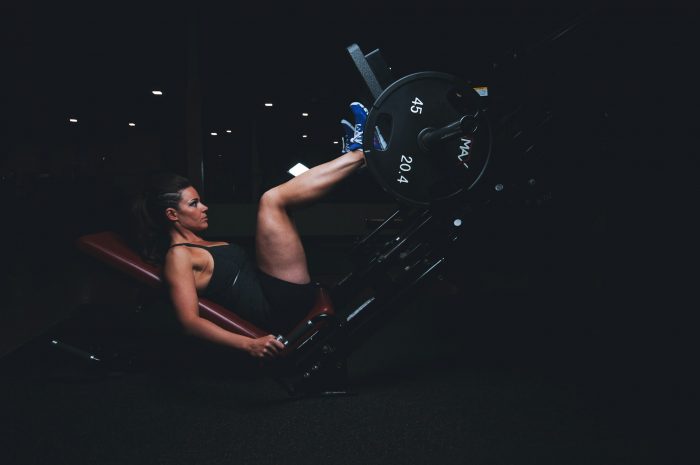
- Leg Press (Selectorised & Plate-Loaded): These use different angles to target the quads, glutes, and hamstrings with less spinal load than free weights.
- Plate-Loaded Hack Squat Machine: Offers deep quad and glute activation with vital back support, preventing injury.
- Leg Extension Machine: Offering pure quadriceps isolation, these are fantastic for pre-exhaustion or finishing sets.
- Seated and Lying Leg Curl Machines: Offers essential hamstring isolation, vital for balanced leg development and injury prevention.
- Glute Drive/ Glute Ham Raise (GHR): Excellent for direct glute and hamstring development.
Chest and shoulder mass machines
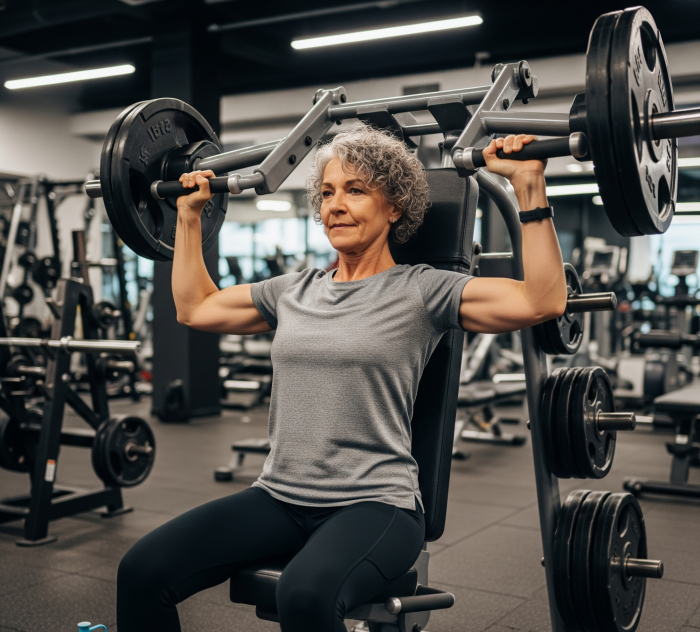
- Chest Press (Selectorised & Plate-Loaded): Mimics barbell/dumbbell presses with added stability.
- Pec Deck / Fly Machine: Excellent for chest isolation and hitting the outer pectoral fibres.
- Seated Shoulder Press Machine: Excels at stable overhead pressing, reducing the need for stabiliser muscles.
- Lateral Raise Machine: Perfect for isolating the medial deltoids for wider, more rounded shoulders.
Back and arm development machines

- Lat Pulldown Machine (Selectorised & Plate-Loaded): Builds a wide, impressive back. Choose various grip attachments to help target different areas.
- Seated Row Machine (Selectorised & Plate-Loaded): Focuses on mid-back thickness and density, with different handles to hit various muscle fibres.
- T-Bar Row Machine: Excellent for mid-back thickness. These machines are often plate-loaded for heavy lifts.
- Assisted Pull-up/Dip Machine: Allows users to train for and build strength in bodyweight movements.
- Bicep Curl Machine: Provides direct bicep isolation, with consistent tension throughout the movement.
- Triceps Extension / Dip Machine: Targets the triceps directly for arm mass and strength.
Integrating machines for optimal results and gym success
Maximising the impact of your strength machine range goes beyond just having the equipment; it’s about smart integration and education. Here are our top tips and tricks for organising your strength machines, educating users and marketing your new gym equipment to set your commercial space up for success!
- Machines complement free weights: Strength machines are valuable complements to free-weight training, not replacements. Positioning them in this way will help promote them to all gym users, regardless of their experience. They fill gaps, provide variety, and allow for higher training volume without excessive systemic fatigue or injury risk.
- Programming considerations for gyms: By offering gym members sample machine-focused hypertrophy programmes that they can easily follow to achieve their muscle-building goals, they are more likely to engage and frequently choose to use the strength machines.
- Educating members on using machines effectively: Display clear instructional placards, offer QR codes for video demonstrations, and guide progressive overload and proper technique.

4. Maintenance and placement: Regular maintenance of your strength machines ensures their smooth operation and longevity. Strategic placement within the gym floor maximises flow, utilisation, and member satisfaction.
5. Marketing your machines: Emphasise the cutting-edge and diverse range of machines your gym offers for serious muscle builders. Highlight the safety, effectiveness, and the results members can achieve.
6. Get trainers involved: Encourage your personal trainers to incorporate machines into client programming, especially for hypertrophy goals, demonstrating how machines can be utilised for advanced techniques.
Why strength machines are your gym’s hypertrophy powerhouse
The misconception that machines are inferior for building muscle is outdated. When thoughtfully selected and integrated, strength and resistance machines are indispensable tools for maximising muscle growth across your entire member base. They provide unique advantages in tension, isolation, safety, and versatility that even free weights can’t always match.
For gym owners, investing in a diverse, high-quality range of selectorised, plate-loaded, and cable machines means empowering members to achieve better results, reducing injury liability, optimising your space, and ultimately, building a more successful and sought-after fitness facility.
Shop strength & resistance machines at FitKit
Ready to equip your gym with the best gym equipment for building muscle? Explore FitKit’s extensive range of strength and resistance machines today via the links above, and elevate your members’ muscle-building journey.
Related posts:
Seated Row vs. Lat Pulldown – Which Is Better?
Strength Machines For Beginners
Comments are closed here.