
Dumbbells Buying Guide
Stepping into the world of dumbbells can feel like navigating a maze, whether you’re a seasoned gym-goer or just starting your fitness journey at home.
We’ve all been there – the desire to maintain those hard-earned gains, or simply to kickstart a healthier routine, often hits a snag when it comes to choosing the right equipment.
This comprehensive guide is designed to cut through the confusion, helping you understand exactly what to look for when investing in your next set of weights. From assessing your personal fitness aspirations and choosing the perfect weight to understanding the different materials, such as rubber and urethane, we’ll break down everything you need to know.
We’ll also cover crucial considerations such as budget and the space you have available, ensuring you make an informed decision that supports your journey to a stronger, healthier you. Get ready to transform your workouts and unlock your full potential!
Content
- Assessing your fitness goals
- Choosing the right weight
- Budget
- Space
- Types of Dumbbells For Home Gyms
- Rubber Dumbbells
- Urethane Dumbbells
- Dumbbell brands to look out for

Assessing your fitness goals
When choosing your dumbbells for your home, consider your fitness goals and how they can be used to achieve them. The weight and type of dumbbell you would buy for toning may differ from those looking to build muscle mass.
Let’s say your goal is to increase your cardiovascular fitness, and you have taken a keen interest in running. You might want to use dumbbells as a strengthening tool to assist your efforts on the track. These will be different if you want to gain muscle. Therefore, it is important to consider your chosen goals before purchasing any dumbbells to ensure you invest correctly, as dumbbell usage will vary.
| Fitness Goal | Recommended Dumbbell Weight & Type | How Dumbbells Assist This Goal | Key Considerations |
| Muscle Building / Hypertrophy | Heavier weights (relative to your strength), Fixed-weight or adjustable for progressive overload | High-resistance training breaks down muscle fibres, which then repair and grow stronger. Dumbbells enable both compound and isolation movements, facilitating comprehensive development. | Focus on progressive overload (gradually increasing weight). |
| Strength Development | Heaviest weights you can lift with good form, Fixed-weight dumbbells (often preferred for stability) | Develops maximal force production by challenging muscles with significant resistance. Ideal for exercises like heavy presses, rows, and carries. | Lower repetitions (1-6 reps) per set. Prioritise form over ego lifting. |
| Muscle Toning / Endurance | Lighter to medium weights, Fixed-weight or adjustable for varied exercises | Increases muscular endurance and definition through higher repetitions. Improves the muscle’s ability to resist fatigue over time. | Higher repetitions (12-20+ reps) per set. Maintain consistent pace. |
| Cardiovascular Fitness / Conditioning | Lighter weights, often adjustable for circuit training or bodyweight enhancement | Used in dynamic exercises (e.g., shadow boxing with weights, lunges with presses) to elevate heart rate and maintain intensity, complementing cardio activities like running. | Integrate into circuits or high-intensity interval training (HIIT). Focus on fluid movements. |
| Rehabilitation / Mobility | Very light weights or no weight initially, potentially ergonomic designs | Used for controlled, low-impact movements to rebuild strength in injured areas, improve range of motion, and activate stabilising muscles. Often guided by a professional. | Prioritise form and controlled movement. Start very light. Consult a physiotherapist. |
Choosing the right weight
This brings us nicely to choosing the right weight for your desired goal. One of the best ways to decide on the right weight is by level of expertise. If you are a seasoned professional in the gym, you may want to choose something slightly heavier. If you are just starting, perhaps something lighter will suffice until you master the form of common exercises.
Beginners
If you are new to fitness or weight lifting, it is important to correct and master your form from the offset. To ensure your form is the best it can be, start with a lighter dumbbell and higher reps, and as you develop, you can increase the dumbbell weight.
Intermediate – Advanced
Lifting heavier dumbbells is a great way to put pressure on the muscles as a tactic for muscle and strength development. If you are well-versed in lifting weights and using dumbbells in your training, opting for slightly heavier dumbbells is an option. However, you shouldn’t underestimate the benefits of higher reps with lower weights, which can also benefit muscle development.

Budget
Your budget should be a consideration point when buying dumbbells. How often will you use them? Should you invest in a varied set of weights, or are you planning on using a singular set for multiple exercises? At FitKit, we have used dumbbell weights for you to consider at discounted prices and new dumbbells from some of the leading fitness brands.
Space
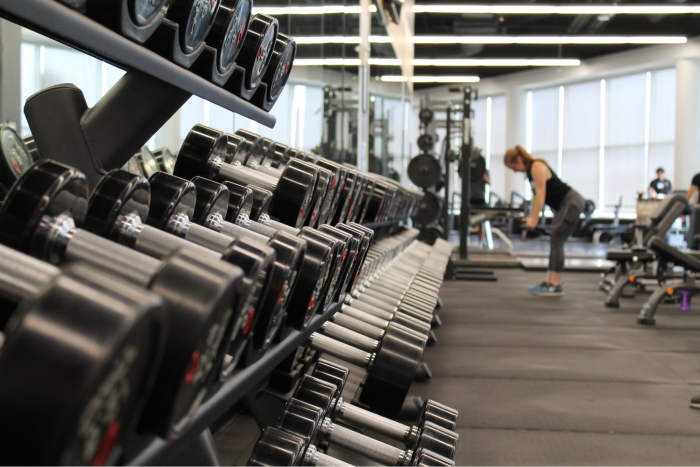
Considering where you’ll keep your dumbbells is also key. If you’re setting up a home gym, chances are you won’t have an endless amount of space. This means being smart about your choices: pick a variety of weights that cover the exercises you do most often.
We’d suggest starting with a light set for toning and more intricate movements, then adding a medium to heavy set for those muscle-building lifts. For storage, a dedicated rack is ideal, but in smaller home setups, a neat corner can work just as well.
Types of dumbbells for home gyms
Rubber Dumbbells
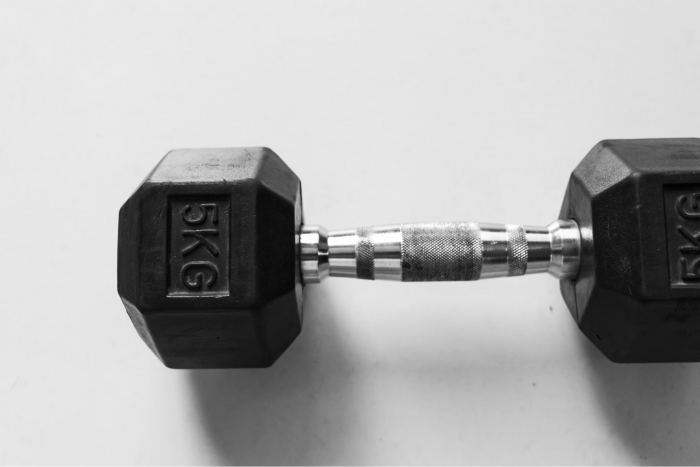
Rubber dumbbells are typically made of metal or steel but are usually coated in rubber, a synthetic material or tree sap. Often used in home gyms due to their rust resistance and durability, rubber dumbbells are considered one of the most common types on the market.
Pros of rubber dumbbells
- Acoustics – Rubber dumbbells won’t clang when bumped together and are a quieter option than steel dumbbells.
- Durability – The rubber coating will prevent rust and other types of corrosion.
- Floor protection – If you are concerned about damaging your flooring, rubber dumbbells may be the best option, as the rubber coating helps prevent any marks. For further protection, make sure you add some protective gym flooring to your space.
Considerations of rubber dumbbells
- Allergens – Do not use rubber dumbbells if you are allergic to latex or rubber, as these could cause irritation.
- Cost – Typically, rubber dumbbells cost more than steel and iron dumbbells because of the rubber coating.
- Smell – Rubber dumbbells have a distinctive smell that doesn’t shift over time, so they might not be for you if you don’t like the smell.
Are rubber dumbbells toxic?
Depending on the type of rubber used to make your dumbbell, it may be considered toxic. Synthetic rubber, sometimes called neoprene, contains chloroprene, which can be considered a toxic chemical. However, some dumbbells are crafted with natural rubber and won’t pose a health risk. We recommend a steel alternative if you are allergic to rubber or latex.
How long do rubber dumbbells last?
Rubber can deteriorate over time, but with proper care, the rubber dumbbells can last for several years. Keep the rubber dumbbells out of direct sunlight and clean them monthly to extend their lifespan.
How to clean rubber dumbbells?

To keep your rubber dumbbells in the best possible condition, you should clean them using the following method:
- Once a month, mix water and mild detergent.
- Grab a soft cloth and dip it in the mixture.
- Clean the surface area of the dumbbell gently.
- Dry the dumbbells thoroughly to ensure you don’t have moisture-related issues with your dumbbells.
Urethane Dumbbells PU/TPU
Urethane-coated dumbbells have been a popular choice for nearly 35 years, appearing on the market since the mid-1980s. While urethane might look similar to rubber – and is, in fact, a type of rubber – the key difference lies in its superior quality.
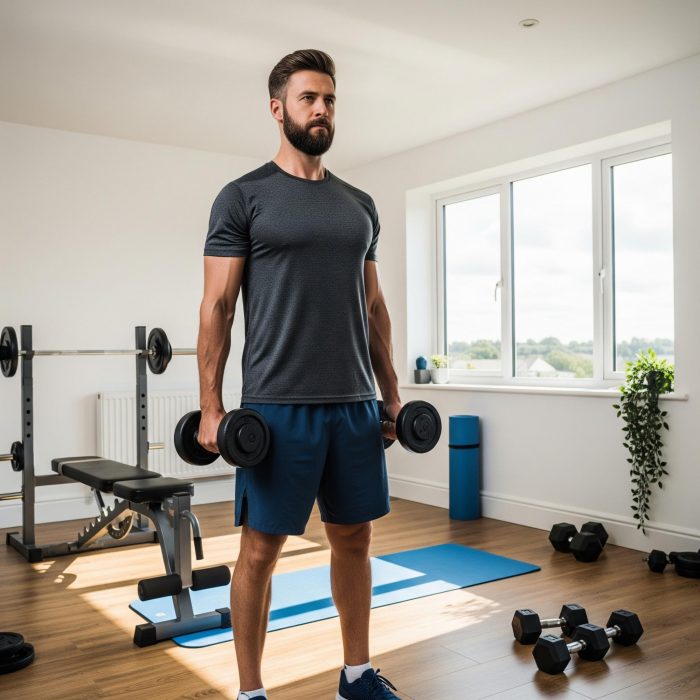
Urethane is significantly harder than traditional rubber, making it far more resistant to cosmetic damage. These heavy-duty, premium dumbbells are a fantastic option for CrossFit, bodybuilding, and intense strength training, even in a home gym. You can easily use them for a wide range of exercises, from upper-body strength training to shoulder presses, chest presses, and bicep curls.
Pros of Urethane Dumbbells
- Durability – Urethane dumbbells are designed for commercial use and can withstand heavy use, lasting a very long time in home gyms.
- Waterproof – The material used in this type of dumbbell is waterproof, making the cleaning process much easier.
- No smell – Unlike rubber dumbbells, urethane dumbbells don’t smell and can be placed straight into your gym.
Cons of Urethane Dumbbells
- Cost – Urethane dumbbells can be more expensive to source and add to your gym.
- Noise – When dropped, urethane dumbbells produce a loud noise. If you are working out from home and have a neighbour, you might opt for a different material type for your dumbbells to ensure you don’t disturb them when working out.
Why are urethane dumbbells so expensive?
Most urethane dumbbells have a higher price point, but this is because they are very resistant to deterioration and will last for years to come, even with excessive use. With very little maintenance, you will find urethane dumbbells will last. Although they have a higher upfront cost, it will pay off eventually.
Dumbbell brands to look out for
At Fitkit, we have a wide selection of dumbbells for you to choose from. Keep reading to learn more about our dumbbell brands and why they should have a prime place in your home gym.
Buffalo Fitness Dumbbells
The sleek and sophisticated designs within the Buffalo Fitness dumbbell range shouldn’t be overlooked. Crafted with a solid steel core and a welded, integrated handle for added balance and rigidity, we’re sure you’ll find a Buffalo dumbbell that suits your needs within our range. The range is sold in pairs. The weights start at 2.5kg and span to the upper end of 30kg.
Jordan Fitness Dumbbells
The range of Jordan Fitness dumbbells at FitKit includes chrome, rubber and polyurethane finishes, making them the perfect addition to your home gym. Starting at weights of 1kg and spanning up to 75kg, it is fair to say that Jordan Fitness dumbbells are designed for all abilities, and the fun colour-coded range allows you to match dumbbells easily.
Life Fitness Dumbbells
If you’re searching for a hassle-free way to upgrade your dumbbell offerings in your home gym while staying financially minded, then Life Fitness is the brand for you. At FitKit, we offer 2kg-40kg dumbbell sets equipped with racks for safe storage and organisation at a discounted price.
Ziva Dumbbells
Ziva dumbbells are the perfect option for home gyms that need a full set of dumbbells at a reasonable price. Urethane-coated and designed for extremely heavy-duty use, you can be sure these dumbbells will last for years and be exactly what your clients need to reach their fitness goals.
Find the perfect home gym dumbbells today
Now that you know what to prioritise when purchasing dumbbells, explore the full range available at FitKit. Our selection includes discounted options within our used dumbbells range. Or if you prefer something new, we have a host of brands for you to explore. Whether you are a commercial gym looking to upgrade and expand your free weight offering for clients or you are creating your very own home gym and need to add some dumbbells, we’ve got you covered.
Related
Comments are closed here.