
How To Get Rid of Muscle Soreness: Tips from a physio
If you are new to the gym or training with more intensity, you may be experiencing sore muscles. Lifting that cup of green tea to your mouth might feel painful, and forget about walking up the stairs after leg day – so how do you get rid of muscle soreness and get back on track?
At FitKit, we know a thing or two about the fitness industry and have created a guide to help you relieve your muscle soreness with some tips and tricks from experts. We have consulted Kieran Sheridan, owner of GulfPhysio, on the best ways to get rid of muscle soreness after a gym session.
Keep reading to find out how to get rid of muscle soreness.
Contents
- What is delayed onset muscle soreness?
- Ways to ease delayed onset muscle soreness
- How to prevent muscle soreness
We will cover three main sections on muscle soreness after the gym. These will include the basics, what causes the pain, ways to deal with soreness, and how to prevent it.
What is delayed onset muscle soreness?
Delayed onset muscle soreness, known as DOMS, is the tender feeling in your muscles after exercising. Experiencing DOMS is normal for people of all abilities and fitness levels, especially if you have tried a new workout activity or pushed yourself harder.
DOMS doesn’t occur straight after a workout; it could take a day or two for the muscle soreness to take effect. The pain of DOMS typically peaks at around one to three days after your workout and then begins to ease after this period.
What is the cause of muscle soreness?
Muscle soreness and DOMS are caused by high-intensity exercise, which causes microscopic tears in muscle fibres. Due to these tears, your body increases inflammation, leading to muscle soreness.
Any high-intensity workout can cause muscle soreness, but eccentric exercise is a common trigger of DOMS. Eccentric exercises cause you to tense your muscles at the same time as lengthening them.
Do sore muscles mean growth?
Muscle soreness is a sign of muscle damage and could signal the start of the muscle-building process. Some people will experience more soreness than others as people’s bodies respond differently to the same workouts. The inverse of this is also true: just because your muscles are sore doesn’t always mean the workout was effective.
Are sore muscles a good sign?
Often, if your muscles are sore, it can be a sign of muscles rebuilding and adapting. This often occurs after a tough workout or completing a challenge you wouldn’t usually complete.

How long does muscle soreness last?
Many variables can impact the length of time that muscle soreness lasts, including the individual’s fitness level and the intensity of the training. Typically, muscle soreness should last around 2-5 days. If muscle soreness continues or worsens after this period, you should contact your GP or a trained physiotherapist.
What is the cause of muscle soreness?
During exercise, muscles and connective tissues become damaged; this is a completely normal process needed for muscle growth. During the repair process, the tiny microtears that occur during exercise trigger an inflammatory response, which causes the pain.
Why are my muscles sore?
There are a few reasons your muscles could be sore that are not linked to DOMS. These could include:
- Tension
- Stress
- Overuse
- Minor injuries
- Infection
- Flu
- Medication
It is always best to consult your doctor if you have persistent muscle soreness to get a professional medical opinion.

How to get rid of sore muscles overnight
Depending on the intensity of your workout and your current fitness level, your muscles may be able to repair themselves overnight or within 24 hours; however, if you are new to the gym or have completed an intense workout, it could take longer.
You are in the right place if you are searching for remedies to help with sore muscles. As we have previously mentioned, we sat down with physiotherapist Kieran Sheridan so that he could shed some light on the best ways to get rid of that DOMS pain.
1. Use a foam roller
Foam rollers are an effective way to help relieve muscle soreness and allow you to perform deep tissue self-massage, which increases blood flow to soft muscle tissue.
Kieran states, “Use foam rollers liberally on the muscles where there’s most pain. This helps to loosen the muscles and aids blood flow, reducing inflammation and pain over time.”
2. Massage guns
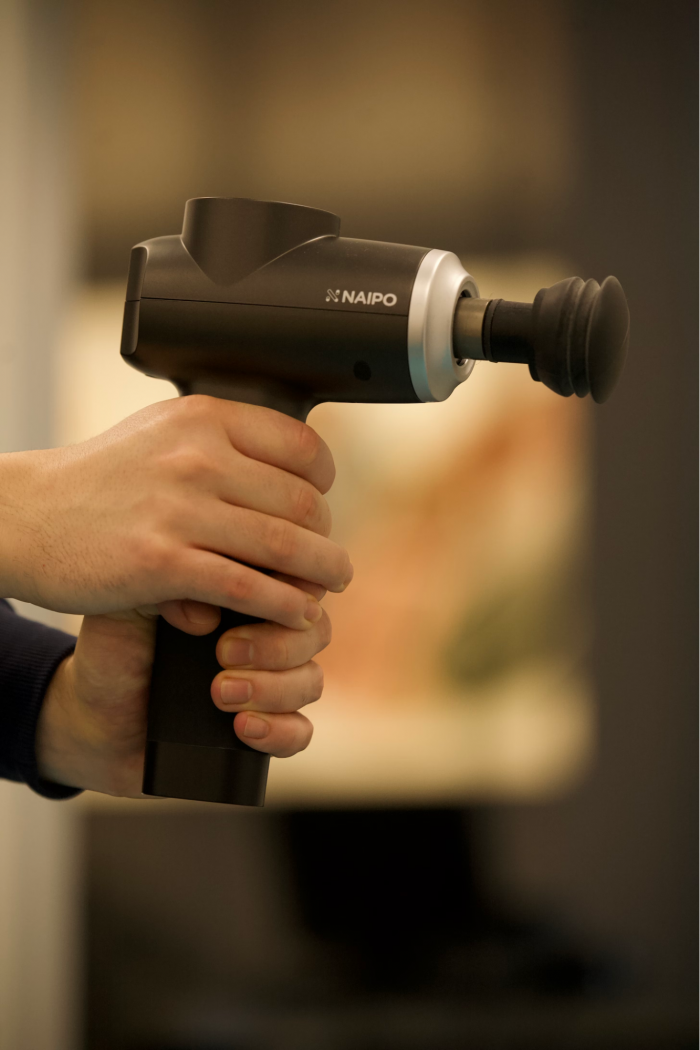
Do massage guns help with sore muscles?
The popularity of massage guns has risen over the past few years. They can be used to activate the muscles before a workout but also to reduce soreness and improve recovery afterwards.
Massage guns are simple to use – all you need to do is apply the gun across the bulk of the muscle and apply pressure appropriately. Stay away from bony areas and move positions every 15 seconds, or use a general sweeping motion for around 2 minutes.
3. Pickle juice
Whilst this suggestion may sound a little bizarre, it is one that Kieran recommends because of its nutritional value. “Pickle Juice – It’s chock full of potassium and other minerals, which would work as an electrolyte supplement. This method is also popular with people who suffer from muscle cramps.”
4. Take a hot bath with Epsom salt
“Take a hot bath with Epsom salt. Long extolled for its pain relief effects, it works by penetrating the skin and providing magnesium, which increases blood flow and also relaxes the body.” Kieran states.

Is a hot bath good for sore muscles?
Baths can aid muscle recovery and make you feel less achy as the warm water loosens spasms and helps you relax. The heat of the water also increases your blood flow, allowing oxygen and nutrients to reach your muscles.
How long should you soak in the bath for muscle recovery?
You don’t need to spend hours in the tub to see the benefits; a fifteen-minute soak should suffice. Ensure you stay hydrated whilst bathing, as the heat of the water can cause dehydration, which will worsen muscle soreness.
Does Epsom salt help with sore muscles?
Epsom salt breaks down into magnesium and sulphate when placed in water. When added to bath water, it is believed that the minerals get absorbed into your body and help the muscles relax.
5. Sauna
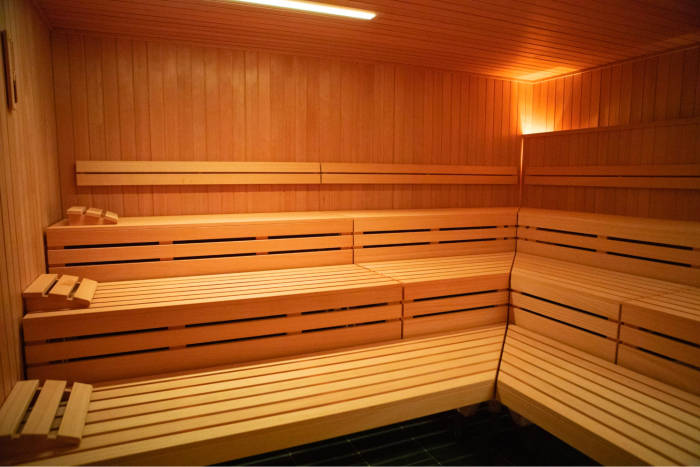
Many fitness facilities have saunas, and we’re about to discuss their benefits for muscle recovery.
Does a sauna help with sore muscles?
- Promote muscle recovery – some studies have shown that a 30-minute sauna session decreases muscle soreness and can boost muscle recovery.
- Heat and muscle repair – the heat emitted from the sauna can enhance the circulation of oxygen and nutrient-rich blood throughout the body. This will help damaged muscles repair faster.
Common questions about muscle soreness recovery
You may still have some questions about muscle soreness, recovery and training with sore muscles. Here are the answers you have been looking for:
Should I work out with sore muscles?
With muscle soreness potentially lasting a few days, you will inevitably want to train with sore muscles at some point. You can still work out with sore muscles if it doesn’t impact your range of motion. If your muscles are so sore that you compromise your range of motion and compensate to complete a movement in a restricted way, you will run into problems.
The more you exercise and stretch, the less muscle soreness you should feel. This is why it is important to keep exercising and to stay active.
Is heat good for sore muscles?
It is often confusing whether to use heat or cold to treat muscle soreness; both can be effective, but it is important to remember the following facts regarding heat and cold when deciding which route to take for recovery:
Heat
- Improved blood flow to the muscles, which reduces spasms.
- Heat can also reduce stiffness, allowing for an improved range of motion and quicker recovery.
- Doesn’t require too much time.
Cold
- Cold can reduce inflammation in the muscle.
- Ice baths can help bring down your metabolism.
- Reduce swelling and tissue breakdown.
- Shift lactic acid away from muscles.
Does ibuprofen help with muscle soreness?
Many studies have shown that taking ibuprofen does not help with muscle soreness and recovery. You should aim to recover with other methods, such as massages, warming up and down correctly and all the other recovery methods mentioned above.
How to prevent muscle soreness after exercise
Here are some top tips on preventing muscle soreness after completing exercise:
- Stretch – ensuring you stretch after a good workout is an important recovery step and can help reduce muscle soreness and prevent injuries.
- Foam roll – using a foam roller before and after exercise can help break down adhesions and aid muscle recovery.
- Eat healthy foods – adding anti-inflammatory foods into your diet, such as leafy green vegetables, nuts, olive oil, tomatoes, and fatty fish such as tuna and salmon, can also help with recovery.
- Stay hydrated – water helps diminish the risk of dehydration, ease inflammation and flush out waste products.
Make yourself stronger with FitKit
Now that you know ways to help your muscles recover, give them the best possible workout with FitKit. We have a wide range of commercial-grade strength machines and cardio gym equipment, including treadmills, bicycles and more, to help get your blood pumping. Offering a wide range of trusted brands, such as Life Fitness, TechnoGym and more, will equip your fitness space with the best possible fitness machines.
Related
Comments are closed here.