
What is Functional Fitness?
You may have heard of ‘functional fitness’, but do you actually know what it consists of and the benefits it can have on your life? In this post, we are going to cover everything functional fitness-related, including the core components, how to get started and the key pieces of equipment you’ll need.
Contents
- What is functional fitness?
- Core components
- Benefits of functional fitness
- What happens in a functional fitness class?
- Is functional fitness the same as HIIT?
- Is functional fitness the same as CrossFit?
- Is functional fitness right for you?
- How to start functional fitness
- Equipment needed for functional fitness
What is functional fitness?
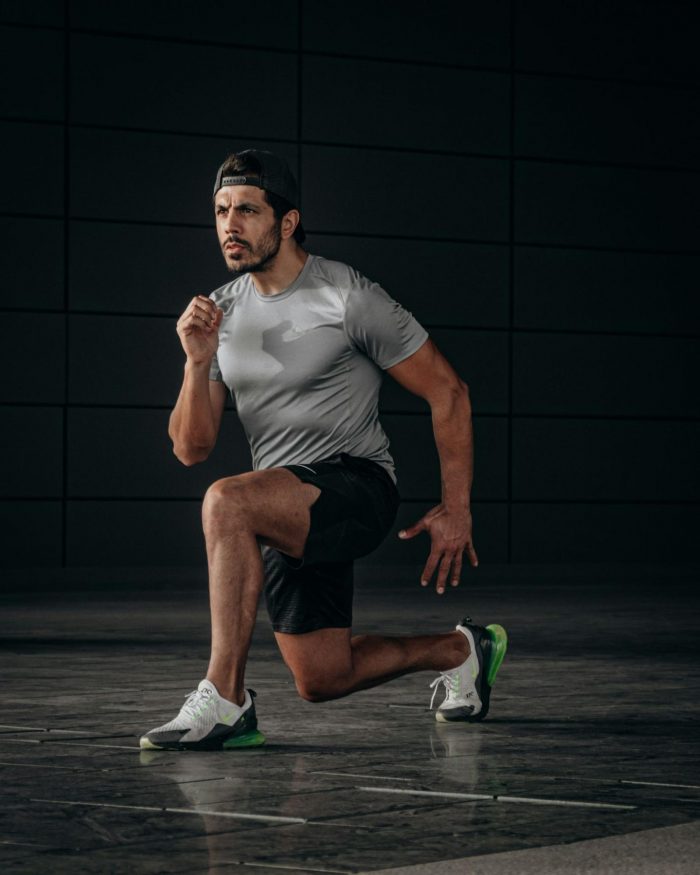
Functional fitness is a style of training designed to improve movement patterns used in daily life. Rather than isolating individual muscles, like weight training, functional fitness workouts focus on multi-joint, compound movements that mimic real-world actions, such as bending, lifting, twisting, and pushing. Integrating strength, balance, mobility, and endurance, functional fitness enhances the body’s ability to perform everyday tasks more efficiently and safely.
Whether climbing stairs, carrying shopping from the car to the house (everyone’s least favourite task) or playing sports, this training approach ensures that your muscles work together harmoniously. It is great for seniors to ensure they stay active and self-sufficient in later life, but also great for beginners in fitness, and even those who are considered advanced gym-goers can learn a trick or two from functional fitness.
Core components of functional fitness
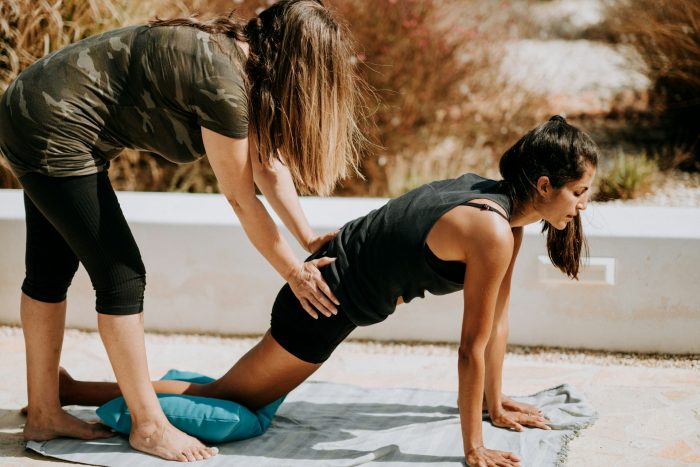
Functional fitness aims to improve aspects of everyday life, which is why it is broken down into four main components for users to develop. As you develop your functional fitness skills, you will understand which areas need improvement and can utilise this knowledge to cater your workouts to improve.
1. Strength
Whether you are looking to improve your strength for everyday tasks like lifting shopping, lifting heavy objects or simply moving from one place to another. Developing muscular strength is a key component of functional fitness that you will benefit from in the small everyday tasks.
2. Balance and coordination
Improvements to balance and coordination are particularly important for seniors to ensure the risk of falls is minimised. You can complete various exercises to improve stability, balance and coordination that will also help reduce the risk of injuries.
3. Power
If you want to improve quick movements, such as jumping or sprinting or sudden changes in direction, then working on your explosive power should be the key component you focus on.
4. Range of motion and mobility
Sick and tired of waking up feeling stiff and sore? Enhancing your range of motion through mobility and flexibility will also help prevent injuries and ensure your joints and muscles can move freely.
Benefits of functional fitness
We have touched on the benefits of functional fitness briefly already, but here is a full list of all the benefits you can expect to see once you start functional fitness training regularly.
- Injury prevention: Strengthening and stabilising muscles whilst improving posture.
- Enhanced daily performance: Reducing fatigue and making routine activities easier to perform.
- Increased strength and endurance: Support your overall fitness and longevity.
- Better posture and core stability: Improving movement mechanics and reducing back pain.
- Scalability for all fitness levels: Functional fitness isn’t just for newbies or seniors; improving elements of functional fitness is beneficial for all fitness levels.
What happens in a functional fitness class?
Every functional fitness class should be different and incorporate elements of all four main components. Instructors should mix up the format of their functional fitness classes but still follow a general framework to develop strength, endurance, coordination and mobility. If you were wondering what to expect from a functional fitness class, we have broken down a typical class structure below:
- Warm up – dynamic stretching, mobility drills, activation exercises.
- Strength training – squats, deadlifts and kettlebell swings.
- Cardiovascular component – high-intensity movements, like box jumps, sled pushes or battle ropes.
- Core and stability work – balance drills, planks, rotational exercises.
- Cool down – foam rolling and stretching for recovery.
Every functional fitness class will include scalable exercises to ensure people of all fitness levels and abilities can complete the workout.
Is functional fitness the same as HIIT?
Whilst high-intensity interval training (HIIT) and functional fitness training share some similarities, they are not the same. HIIT includes short bursts of intense exercise followed by rest periods to maximise cardiovascular conditioning and fat loss.
Functional fitness prioritises movement quality, strength and mobility whilst including some elements of HIIT.
Is functional fitness the same as CrossFit?
CrossFit and functional fitness training do share some similarities, however they have specific training methodologies.
| Functional Fitness | CrossFit |
| Emphasises real-life movement patterns, strength, and mobility without following the intensity or competition-based structure of CrossFit. | CrossFit is a branded training system that combines weightlifting, metabolic conditioning and gymnastics. These workouts are often high-intensity and follow structured programming and competitive elements. |
Is functional fitness right for you?
If you are looking for a new fitness challenge to keep your regime exciting and fresh, or if you are struggling with motivation – it could be worth looking into trying functional fitness training.
You should consider:
- Your goals: Are you looking to improve your overall fitness, recover from an injury, or even enhance your sports performance? Knowing this from the offset will help you determine if functional fitness is suitable for you.
- Your fitness level: Functional fitness can be adapted for any fitness level, but the most important aspect is technique. Do you know enough basic movements, or do you need to practice a few movements before you head into a class?
- Professional guidance: A trainer or coach can help you build a solid foundation and prevent injuries before stepping into your functional fitness journey.
How to start functional fitness
If you want to start functional fitness training, we would recommend utilising the following tips to help you get started.
1. Master bodyweight movements
To build a strong foundation, you should master the technique of the following movements:
- Squats
- Lunges
- Push-ups
- Planks
2. Incorporate resistance training
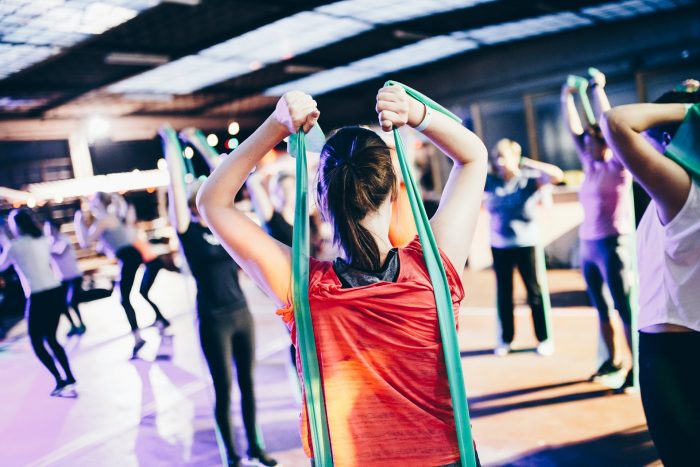
Use kettlebells, dumbbells, or resistance bands to increase the difficulty of the exercises outlined above. Keep in mind that functional fitness training prioritises technique, so don’t slip on mastering the movement.
3. Focus on mobility
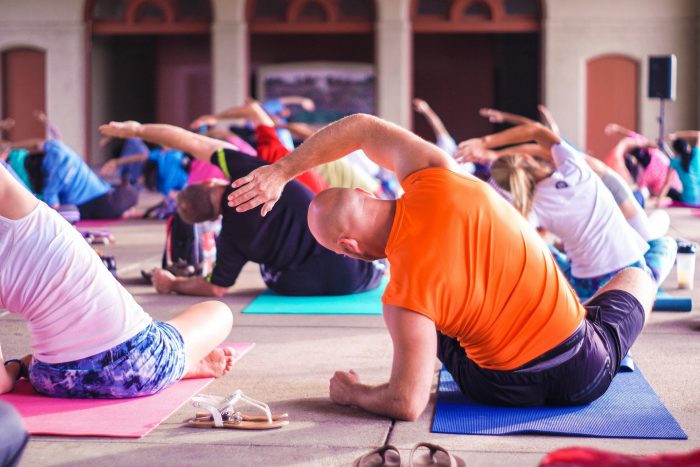
Stretching and mobility exercises should be part of your routine. Try foam rolling, yoga or stretching exercises at the start or end of your workout.
4. Try a class or programme
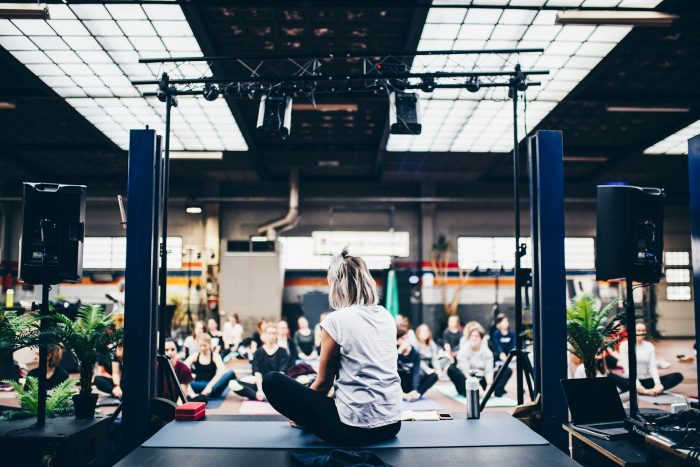
Seeking some professional guidance in the form of a functional fitness class or programme is a great way to enter the world of functional fitness training. This will give you a proper structure and the motivation and community feel element to your workout.
Equipment needed for functional fitness training
If you would like to incorporate some functional fitness training into your regime but don’t know where to start and what equipment you will need – we are here to help. Here is a list of some of the equipment that will help you achieve your functional fitness goals.
1. Dumbbells and Kettlebells
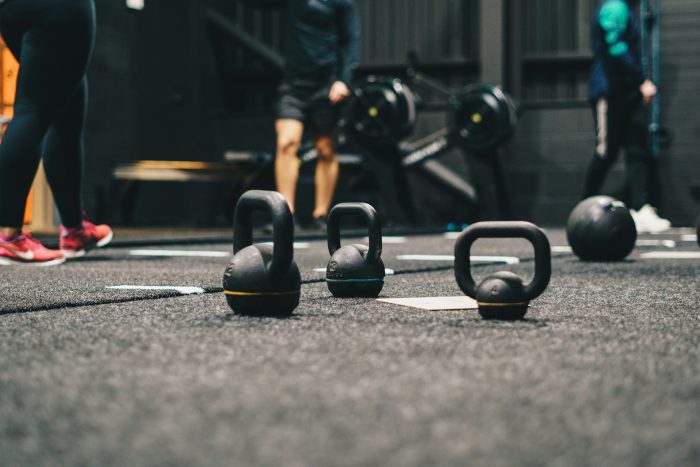
Great for building strength and improving your grip, as well as adding resistance to functional movements. Kettlebells and dumbbells are great for exercises commonly featured in functional fitness classes, such as deadlifts, squats and overhead presses.
2. Resistance bands
Ideal for mobility work, activation exercises and adding progressive resistance without the need for heavy weights – resistance bands are great to bring along to the gym for functional fitness exercises.
3. Slam balls and Medicine balls
If mastering the explosive movement element of functional fitness is what you are looking for, a slam ball or medicine ball is the perfect solution. Used for slams, throws and rotational exercises, slam balls and medicine balls are multipurpose, and you’re sure to get your money’s worth.
4. Battle ropes
Excellent for full-body conditioning, power development, and endurance. If you need to tone your arms, a few minutes on the battle ropes will show you how to sweat properly.
5. Plyo boxes
Designed for step-ups, box jumps, and explosive training, plyo boxes are great for functional fitness and will also help with coordination and agility exercises.
6. Sandbags
Great for simulating real-life lifting movements, sandbags help to develop grip strength and muscular endurance.

Explore the full range of functional fitness equipment available at FitKit today
Now that you know everything about functional fitness, hopefully, you are ready to try it. There are so many benefits to introducing functional fitness training into your regime. From improved strength and mobility to reducing injury and pain, why not improve your daily life and prepare your body for everyday challenges?
If you are looking for more functional fitness equipment to master your technique in your home gym, or you simply don’t want to share at the gym – we have a wide range of products for you to choose from.
Related
Comments are closed here.