
Unlock Your Body’s Potential: A Comprehensive Guide to Increased Mobility and Flexibility
Do you ever feel stiff, restricted, or like your body just won’t move how you want it to? Whether you’re an athlete striving for peak performance, someone recovering from an injury or simply looking to move through daily life with greater ease, improving your mobility and flexibility is key. These two often-intertwined concepts are important to overall health, injury prevention, and a higher quality of life. So, whatever your reason for doing it, everyone should try to incorporate a bit of mobility and flexibility into their daily routine.
At FitKit UK, we understand the importance of flexibility and mobility for a healthy lifestyle. This comprehensive guide will take a deep dive into helping you understand stiff areas and provide you with exercises to unlock your body’s full potential.
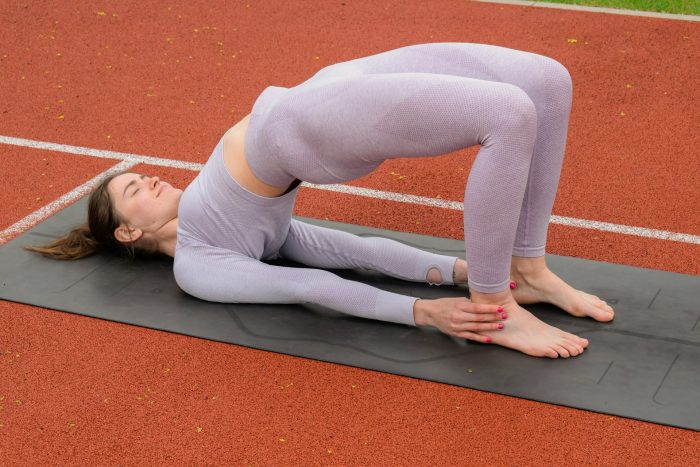
What is mobility?
Mobility refers to a joint’s ability to move through its full range of motion with control and stability. But it’s not just about how far you can move; it’s how well you can control that movement. An example would be your shoulder joint – true mobility allows you to lift your arm overhead smoothly, rotate it in various directions, and maintain stability during those movements.
What is flexibility?
Conversely, flexibility is the muscles and connective tissues’ ability to lengthen or stretch or the capacity of your muscles to extend, allowing for a greater range of motion at the joint. For example, touching your toes is a good indicator of hamstring flexibility.
Why is mobility important for the body?
- Supports daily tasks: Mobility helps make daily activities that little bit easier. Whether reaching for an item on a high shelf or picking something up from the floor, being mobile and flexible reduces stress on muscles and joints.
- Prevents injuries: When joints can move through their full range of motion with control, the stress on surrounding muscles, ligaments and tendons is reduced, which means the risk of strains, sprains, and other injuries will also be reduced.
- Balance and posture: Good mobility contributes to better posture and balance as you will have proper alignment and a more stable centre of gravity.
- Better sports performance: If you are an athlete, you should prioritise your mobility and flexibility for better performance, as this allows for greater power generation and efficiency of movement.
Assessing Your Current Mobility and Flexibility
Before diving into exercises, getting a baseline understanding of your current mobility and flexibility is helpful. Simple self-assessment tests can provide valuable insights. Try the following exercises as a benchmark of your current mobility and flexibility.
| Area | Test |
| Hamstring flexibility | Try to touch your toes with straight legs. How far down can you reach? |
| Shoulder mobility | Can you clasp your hands behind your back with straight arms, one reaching over and the other under? How far apart are your hands? |
| Hip mobility | While lying on your back with knees bent and feet flat, can you comfortably let your knees fall to the sides? How close do your knees get to the floor? |
Performing these simple tests will give you a key indication of how flexible and mobile you are in three key areas. You may find you are naturally more supple in one area and constricted in the other.
Key Ways To Increase Mobility and Flexibility
Improving mobility and flexibility requires different approaches depending on what you lack. Below are key exercises and tactics to help you become more mobile and flexible.
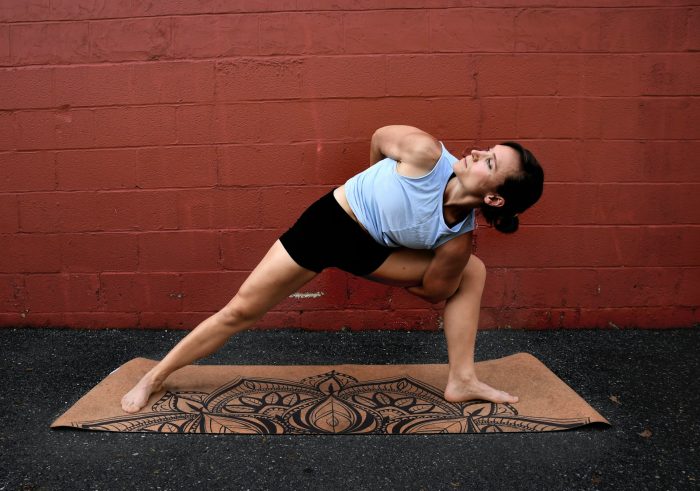
1. Dynamic Stretching and Mobility Exercises:
Dynamic stretches involve controlled movements that take your joints through their full range of motion. These are excellent for warming up the body and preparing it for activity.
Examples include:
- Arm circles
- Leg swings
- Torso twists
- Cat-cow stretches
- Hip circles (great if you are looking to improve your hip mobility)
2. Static Stretching:
Static stretches involve holding a stretched position for a period of time (typically 20-30 seconds). These are often best performed after a workout when your muscles are warm.
Examples include:
- Hamstring stretches
- Quadriceps stretches
- Chest stretches
- Butterfly stretches
Top Tip: Remember to breathe deeply and avoid forcing the stretch.
3. Foam Rolling:
Foam rolling applies pressure to tight muscles and fascia (connective tissue), helping to release tension and improve flexibility. Focus on major muscle groups, including the quadriceps, hamstrings, glutes, and hip flexors. Spend about 30-60 seconds on tender spots.
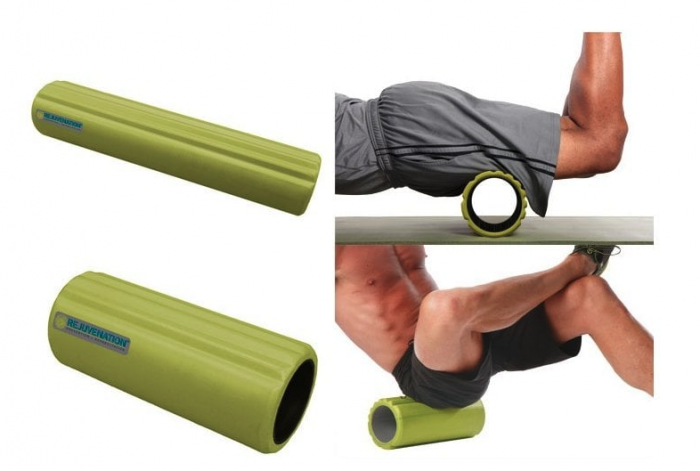
4. Cable Machines in Improving Mobility:
Cable machines are incredibly versatile tools for enhancing mobility because they allow for controlled movement through various planes of motion with adjustable resistance, which is particularly beneficial for improving mobility around the hips and shoulders.
Benefits of using a cable machine for mobility
- Controlled Movement: Cable machines enforce controlled movements, allowing you to focus on the quality and range of motion rather than just lifting heavy weights. It is better to perfect your form before lifting heavy; the cable machine is the perfect place to start.
- Varying Angles: You can easily adjust the cable height and body position to target the joint from different angles, promoting more comprehensive mobility.
- Light Resistance: Start with light resistance to master the movement and gradually increase it as your control and range of motion improve.

Cable extension exercises for general mobility
- Cable Hip Extensions: Standing facing away from the machine with an ankle strap, perform controlled hip extensions, focusing on the full range of movement.
- Cable Hip Flexion: Standing facing the machine with an ankle strap, lift your leg forward, focusing on the hip joint’s range of motion.
- Cable Hip Abduction/Adduction: Standing sideways to the machine, moving your leg away from or towards your body, focusing on controlled movement at the hip.
- Cable Rotations (Torso/Shoulder): Using a handle attachment, perform controlled twisting motions to improve rotational mobility in the torso and shoulders. Make sure you start with light resistance and build up.
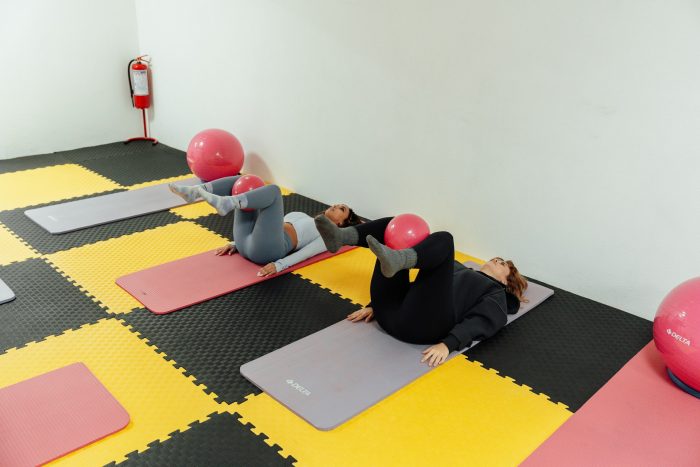
Focusing on Hip Mobility
The hips are a central joint in the body, crucial for almost all lower body movements. Limited hip mobility can contribute to various issues, including lower back pain, knee pain, and restricted movement patterns.
Why is Hip Mobility Important?
- We use the hips to perform almost all lower body actions, from walking and running to squatting and bending.
- Injury prevention.
- Helps to improve greater power generation and efficiency of movement for athletes.
- Reducing back pain (tight hip flexors are often linked to lower back pain and stiffness)
Specific Hip Mobility Exercises:
- Kneeling Hip Flexor Stretch: Kneel on one knee with the other foot flat on the floor in front of you. Gently push your hips forward until you feel a stretch in the front of your back hip. Hold and repeat on the other side.
- Lying Hip Flexor Stretch: Lie on your back with your legs extended. Pull one knee towards your chest and let the other leg extend straight on the floor. You should feel a stretch in the front of the extended hip.
- Frog Squats: Stand with your feet wider than shoulder-width apart, toes pointed slightly outward. Lower into a squat, keeping your chest up. Place your elbows inside your knees and gently push them outwards to deepen the stretch.
- Tabletop Hip Circles: Get into a tabletop position (hands and knees). Lift one leg out to the side, then circle it forward, up, back, and down. Repeat in the opposite direction.
- Kneeling Lunge to Half Split Rocks: Start in a kneeling lunge position. Straighten your front leg, sliding your hips back into a half-split position. Rock gently back and forth, feeling the stretch in your hamstring and hip.
- Hip 90/90: Sit on the floor with both knees bent at 90 degrees. One leg should be externally rotated in front of you, and the other internally rotated behind you. Lean forward over your front leg and then rotate your torso to face your back leg.
- Standing Leg Swings: Stand tall and swing one leg forward and backward, then side to side, focusing on controlled movement at the hip joint.
- Lying Hip Rotations: Lie on your back with your knees bent and feet flat. Keeping your shoulders on the ground, let your knees fall to one side, feeling a stretch in your outer hip. Repeat on the other side.
Consistency is key with any stretching and mobility exercise. Incorporate these hip mobility exercises into your routine several times weekly, focusing on controlled movements and listening to your body.
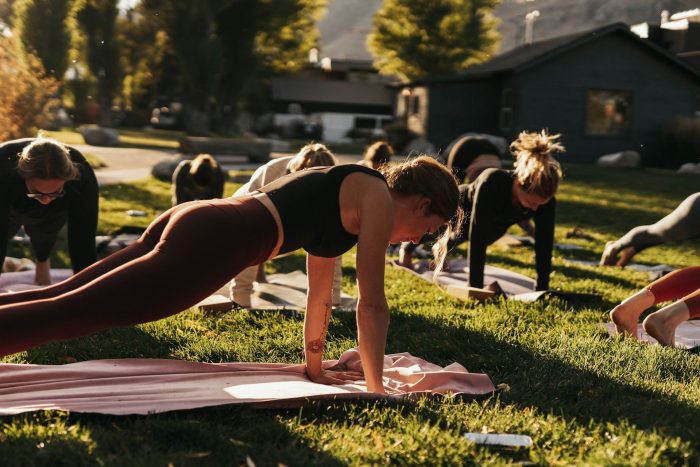
What gym equipment accessories can I use to improve flexibility?
- Foam rollers are excellent for self-myofascial release, helping to reduce muscle tightness and improve range of motion.
- Stretching straps can assist you in reaching further and deepening stretches, particularly for areas like the hamstrings and shoulders.
- Resistance bands are versatile and can be used for both assisted stretching and dynamic mobility exercises, adding a gentle pull or resistance to movements.
- Yoga blocks provide support and modifications for various stretches and poses, making them more accessible.
- Yoga wheels can help deepen backbends and chest-opening stretches.
- Finally, massage balls are great for targeting specific tight knots in muscles for more focused release.
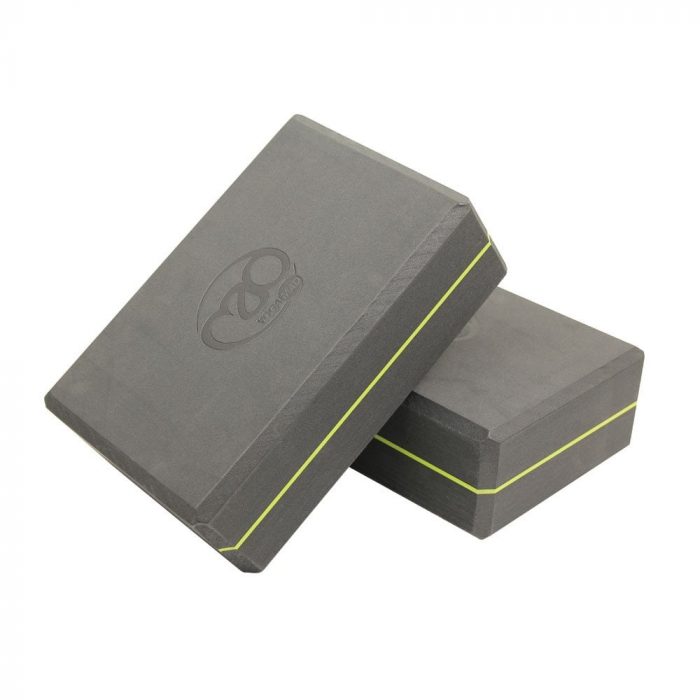
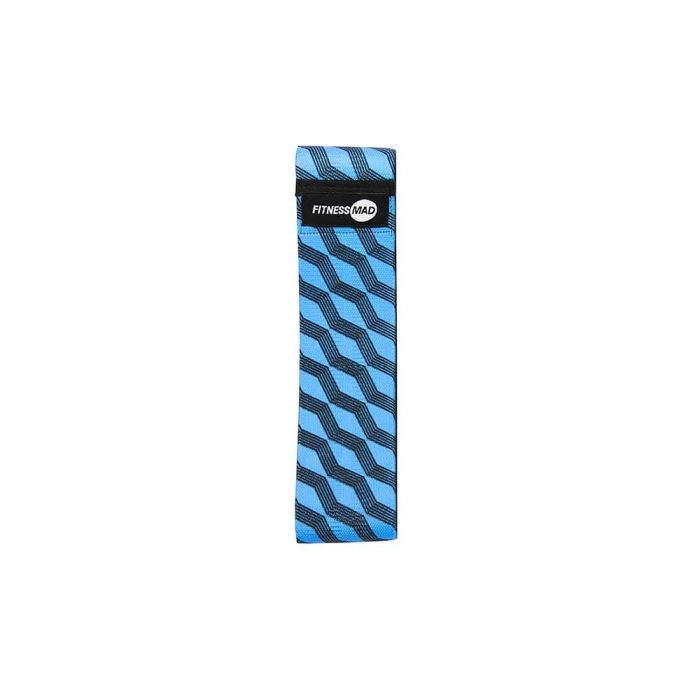
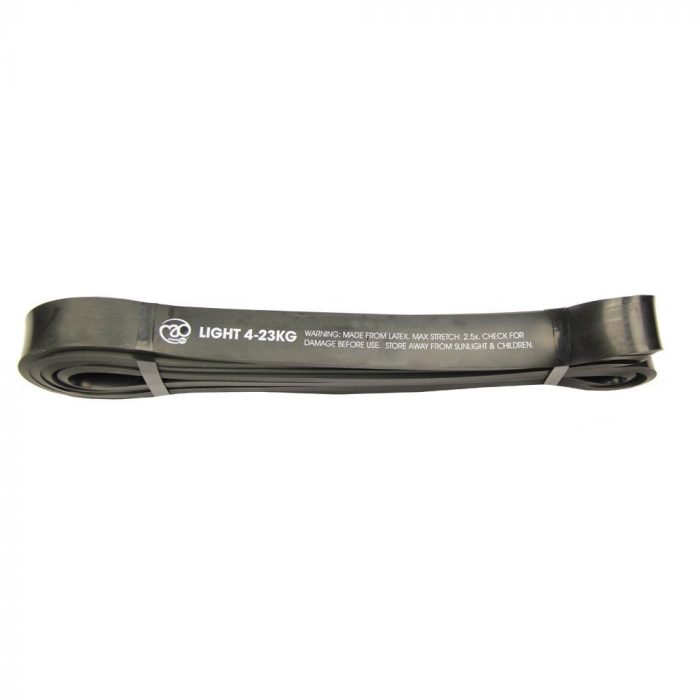
What machines can I use to improve flexibility?
Using gym equipment machines can be a great way to improve flexibility whilst focusing on strength.
During pressing, the leg press machine engages the muscles around the hips, including the quads and hip flexors.
Cable machines also facilitate controlled hip movements like extensions, abductions, adductions, and rotations.
Sample Mobility Routine
Here’s a sample routine you can incorporate a few times a week:
Warm-up (5-10 minutes):
- Arm circles (forward and backward)
- Leg swings (forward, backward, and sideways)
- Torso twists
- Cat-cow stretches
Mobility Exercises (15-20 minutes):
- Hip circles (10 reps in each direction, each leg)
- 90/90 hip rotations (10 reps on each side)
- Thoracic spine rotations (10 reps on each side)
- Shoulder dislocations (with a band, 10-15 reps)
- Ankle circles (10 reps in each direction, each foot)
Static Stretches (10-15 minutes):
- Hamstring stretch (30 seconds each leg)
- Quadriceps stretch (30 seconds each leg)
- Hip flexor stretch (30 seconds on each side)
- Pigeon pose (30 seconds on each side)
- Chest stretch (30 seconds)
Common Mistakes to Avoid
It is important to listen to your body. When it comes to flexibility and mobility, it is even more important. Here are some common mistakes when it comes to stretching:
- Not Warming Up: Stretching cold muscles can increase the risk of injury.
- Forcing Stretches: You should feel a gentle pull, not pain.
- Holding Your Breath: Breathe deeply and evenly throughout your stretches and exercises.
- Inconsistency: Regularity is key to seeing improvements in mobility and flexibility.
- Ignoring Pain: If you feel sharp or persistent pain, stop the exercise and consult a healthcare professional.

Improve your flexibility with FitKit UK
Improving your mobility and flexibility is an ongoing journey that can positively impact various areas in your life. Start incorporating flexibility and mobility into your workout routine, and you can become the best version of yourself. With reduced pain, greater power and many other benefits, it is time to become flexible. Explore functional fitness equipment, cable machines and more at FitKit UK today.
Related
Comments are closed here.