
What is a Recumbent Bike? A Guide For Beginners
Have you ever spotted a bike at the gym that looks more like a comfy chair than a standard cycling machine? That’s a recumbent bike, and if you’ve been wondering what it is, you’ve landed in the right place.
This guide will give you a clear, simple definition of the machine, break down its key features, and answer the most common questions about its effectiveness and who it’s perfect for—especially if you’re dealing with back or joint pain.
TL;DR (Too Long; Didn’t Read)
A recumbent bike is a stationary cycle featuring a chair-like seat with full back support and pedals out front, designed to offer an effective, low-impact cardio workout that significantly reduces pressure on the back and joints. It is an ideal, highly accessible option for beginners, seniors, and anyone managing chronic back or knee pain who still wants a consistent fitness routine.
Table of Contents
- What Makes a Recumbent Bike Different?
- Answering Your Questions: Is a Recumbent Bike Right For Me?
- Who is the Recumbent Bike For?
- More Recumbent Bike guides

What is a Recumbent Bike?
A recumbent bike is a stationary exercise machine featuring a reclined, chair-like seat with full back support and pedals positioned forward of the rider, specifically designed to deliver a cardiovascular workout with minimal impact on the joints and lower back.
What makes a recumbent bike different?
Unlike a standard upright or studio cycle, the recumbent bike offers a unique, reclined design that completely changes your cycling posture. This specific architecture is what delivers the machine’s renowned comfort and stability.
Key Design Elements of a Recumbent Bike
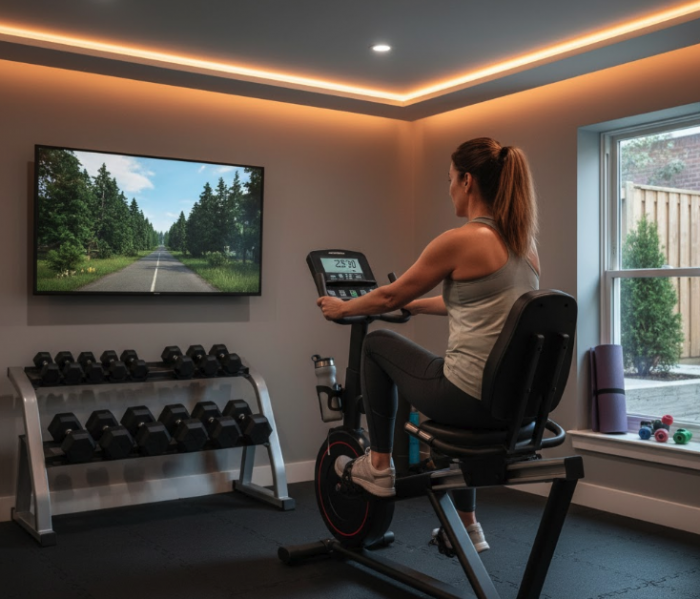
- Reclined Seating: The user sits in a chair-like position with a large, comfortable seat and a supportive backrest. This is the single biggest difference, allowing you to lean back and take all pressure off your core and lower spine.
- Pedals Out Front: The pedals are positioned out in front of the body, rather than underneath. This new leg position eliminates the need to stand or lean forward, which reduces the impact on your hips, knees, and ankles.
- Low-to-the-Ground Frame: The frame typically features a low step-through design, making it incredibly easy to get on and off without having to climb over a high crossbar. This boosts stability and accessibility.
Essential Features You’ll Find
The design translates into four key features that make the recumbent bike unique:
- Full Back Support: The integrated backrest provides continuous lumbar support throughout your workout, making it a go-to choice for individuals with chronic back issues.
- Reduced Joint Impact: The reclined position and out-front pedals create a non-weight-bearing cycling motion that is extremely gentle on the lower body joints.
- Enhanced Stability: Sitting lower and further back offers a much more stable experience than balancing on a narrow saddle, which is ideal for those with balance concerns.
- Larger, More Comfortable Seat: The wide, padded seats are designed for extended use, making long-distance cardio sessions more enjoyable.
Answering Your Questions: Is a Recumbent Bike Right For Me?
The primary reason people choose a recumbent bike is comfort and injury management. Here are the simple answers to the most common user questions:
Are recumbent bikes good for bad backs?
Yes, absolutely. The full back support is the machine’s defining benefit for back pain sufferers. By leaning back, you relieve pressure on your lower spine and core muscles, allowing you to exercise without the discomfort often caused by the forward lean of a traditional bike.
Are recumbent bikes good for bad knees?
Yes, they are. The non-weight-bearing, low-impact motion puts significantly less stress on the knee joints compared to activities like running, jogging, or even brisk walking. This makes it an ideal choice for safely maintaining mobility.
Can you lose belly fat on a recumbent bike?
Yes, you can. A recumbent bike is a highly effective tool for burning calories. Weight loss, including the reduction of belly fat, is achieved by consistently burning more calories than you consume. While spot reduction (losing fat only from one area) is a myth, incorporating a recumbent bike into your fitness routine is a great way to create the calorie deficit needed for overall fat loss.
Will riding a recumbent bike tone legs?
Recumbent bikes are highly effective. Recumbent cycling still engages and works key lower body muscles, including your glutes, hamstrings, and quads. If used consistently with challenging resistance, they will help build endurance and improve muscle tone in your legs.
Is it hard to ride a recumbent bike?
No, they are often easier. The stability and comfort make them less intimidating and easier to use than upright bikes, especially for beginners, seniors, or those with balance issues. You simply sit down and start pedalling.
Is it okay to ride a recumbent bike every day?
Yes, it is. The machine’s low-impact nature makes it an excellent choice for daily use. Building a consistent, low-impact habit is far more beneficial than sporadic, high-intensity workouts that lead to injury.
What is the proper posture on a recumbent bike?
The proper posture is simple and straightforward: Sit all the way back against the seat for full back support. Your legs should have a slight bend (not a full lock-out) in the knee at the farthest point of the pedal stroke.
How soon after surgery can I use a recumbent bike?
This requires a professional medical opinion. However, recumbent bikes are often a go-to machine for physical therapy and early rehabilitation due to their controlled, low-impact environment. Always consult your doctor or physical therapist first.
Who is the Recumbent Bike For?
The recumbent bike is an incredibly versatile piece of equipment that provides accessible fitness to a wide range of users. It is the perfect choice for:
- Individuals with Chronic Joint Pain: Anyone who needs to reduce stress on their back, knees, hips, or ankles.
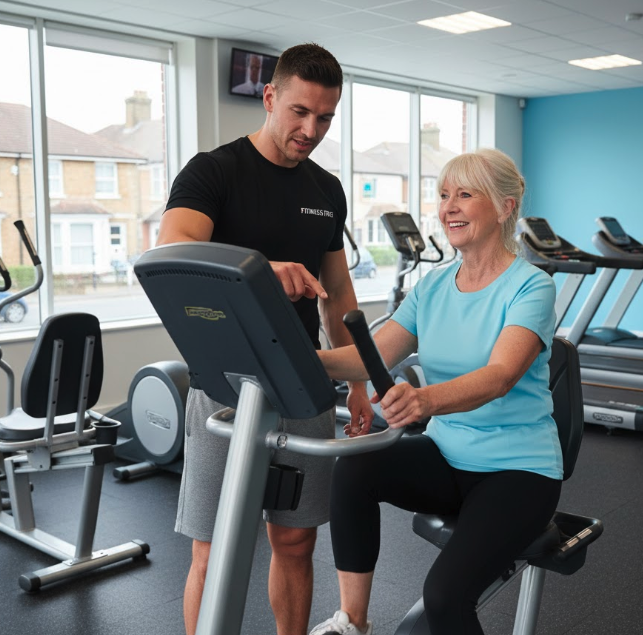
- Seniors or Those with Balance Issues: The enhanced stability and easy step-through design make mounting and dismounting safer and simpler.
- People in Rehabilitation: They are frequently used to restore mobility and strength in a controlled, low-impact manner following an injury or surgery.
- Anyone Who Prioritises Comfort: If you want a comfortable exercise experience that allows you to easily read a book or watch a show during your workout.
Learn more about the recumbent bike
At FitKit UK, we like to provide you with all of the information you need when exercising, whether you are looking for guides, workout plans or product recommendations – we have it all. Find even more information about recumbent bikes with our selection of guides outlined below.
8 Benefits of Using a Recumbent Bike

So now that you know what a recumbent bike is, find out about the benefits of using one. In this guide, we discuss all of the health benefits of adding a recumbent bike workout to your regimen.
The 6 Best Recumbent Exercise Bikes

Looking for some recommendations? Look no further. In this guide, we break down the features and benefits of six of our favourite recumbent bikes. We don’t like to pick favourites, but for this guide, we have a full list of criteria for you to judge.
What Muscles Does a Recumbent Bike Work? The Complete Breakdown

In this piece, we show you all of the muscles you are working when you sit on a recumbent bike. Make sure to click through to see engaging visuals and top tips on how to maximise your workout on a recumbent bike.
Recumbent Bike Workout Plan For Seniors
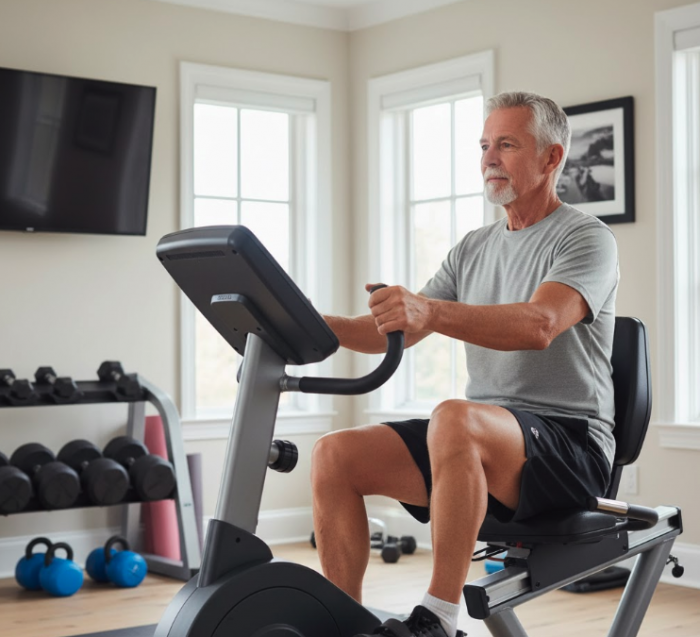
Stay mobile with our range of recumbent bike workouts for seniors. In this post, we have a full plan ready for you to start that will help you achieve a range of goals from mobility to cardiovascular fitness. Ready to take a seat in the big chair?
Recumbent Bike vs. Upright Bike: Which Exercise Bike is Right for You?

Unsure about which bike is the best for your goals? We break down the differences between recumbent bikes and upright bikes in this guide.
Key Takeaways
- The recumbent bike’s defining design includes a reclined seat with a backrest and front-positioned pedals, creating a stable, easy-to-access, and non-weight-bearing cycling experience.
- Recumbent bikes are highly effective for general fitness and calorie burning, and they are especially recommended for users with chronic back issues, bad knees, or balance concerns due to their joint-friendly design.
- Proper posture involves sitting fully back with a slight bend in the knees at full extension, making this low-impact machine suitable for building a consistent, daily workout habit.
Find the perfect recumbent bike for you at FitKit UK.
The recumbent bike is much more than just a piece of gym equipment; it’s an accessible, versatile, and highly comfortable solution for achieving your fitness goals. If you’re looking for a machine that delivers an effective cardio workout without the joint strain, the recumbent design is worth a serious look.
Comments are closed here.