
Why Investing in Pilates Equipment is the Key to Peak Performance
There is a common misconception in the fitness world that Pilates is merely a gentle stretching routine reserved for rest days. In truth, Pilates is a sophisticated system of resistance training designed to forge an unbreakable body and sustain peak athletic performance. At FitKit, we know the importance of investing in your body, and in this guide, we will explore the science behind it all, explain exactly what equipment you need for Pilates, and how investing in these tools can “injury-proof” your body for years to come.
Key Takeaways
- Beyond the Bodyweight: While bodyweight Pilates is effective, adding resistance tools like Pilates Rings and Bands is essential for building athletic strength and breaking plateaus.
- Spine Protection: A standard yoga mat isn’t enough. A dedicated, high-density Pilates Mat is critical for protecting the spine during rolling exercises.
- The “Powerhouse” Principle: Tools like Gym Balls create instability, forcing your deep core muscles to work harder to maintain balance, effectively “injury-proofing” your body for other sports.
Jump To:
Why is Pilates good for you?
Pilates is a low-impact exercise method designed to strengthen muscles while improving postural alignment and flexibility. By focusing on the body’s “powerhouse”—the core—Pilates offers a full-body workout that supports physical longevity and mental clarity.
Whether you are recovering from an injury or looking to tone up, here is why incorporating Pilates into your routine is transformative.
1. Builds Deep Core Strength
Pilates is famous for its focus on the core, but it goes beyond just getting “six-pack abs.” It targets the deep abdominal muscles, the pelvic floor, and the back muscles.
- The Benefit: A stronger core stabilises your trunk, protects your lower back, and improves overall athletic performance.
2. Improves Posture and Alignment
In our modern lifestyle, many people suffer from poor posture (like “tech neck” or rounded shoulders). Pilates exercises emphasise proper spinal alignment and scapular stability.
- The Benefit: You will stand taller, reduce tension in your neck and shoulders, and alleviate chronic back pain associated with poor alignment.
3. Increases Flexibility and Mobility
Unlike weightlifting, which can sometimes shorten muscles, Pilates focuses on lengthening and stretching muscles through a full range of motion.
- The Benefit: This leads to long, lean muscle tone and increased joint mobility, which is crucial for preventing injuries as you age.
4. Low-Impact and Joint Friendly
Pilates is gentle on the joints, making it an excellent option for all fitness levels, including seniors or those recovering from injuries.
- The Benefit: You get a high-intensity strength workout without the wear and tear of high-impact exercises like running or jumping.
5. Boosts Mental Health and Focus
Pilates requires intense concentration on breath and movement precision. This mind-body connection acts as a form of moving meditation.
- The Benefit: Practitioners often report reduced stress, lower cortisol levels, and improved mental clarity after a session.
Who Should Do Pilates?
One of the greatest advantages of Pilates is its accessibility. It can be modified for:
- Beginners looking for a safe introduction to fitness.
- Pregnant women seeking to maintain pelvic floor strength (prenatal Pilates).
- Athletes wanting to cross-train and prevent injury.
- Seniors aiming to improve balance and coordination.
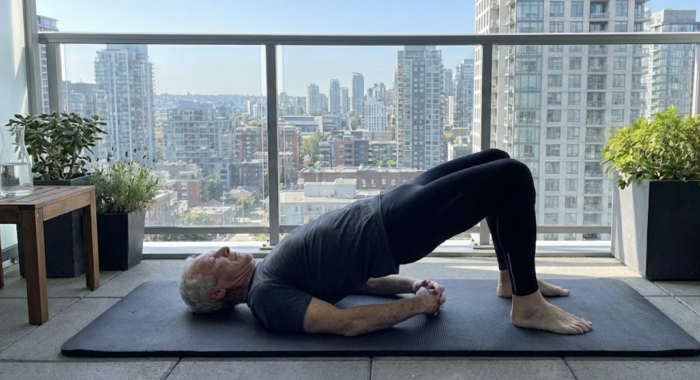
To understand why Pilates is good for you, you must understand “The Powerhouse” (your core, glutes, and lower back). In a studio, machines provide “feedback”—resistance that tells your body where it is in space.
Without machines, you can sometimes cheat your form. This is where small equipment comes in. A resistance ring or a ball acts as a coach, providing the tactile feedback your neuromuscular system needs to fire the correct muscles. This turns a passive movement into an active, stabilising challenge that “injury-proofs” your joints against the impact of running or heavy lifting.
What equipment do you need for Pilates?
You don’t need a Reformer to get results. Here is the essential equipment for Pilates available at FitKit UK that mimics studio apparatus.
The High-Density Mat
Fitness Mad – Core Fitness Mat (£36.99)
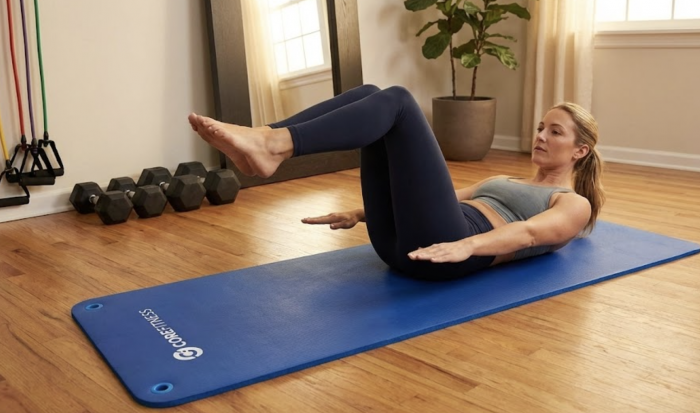
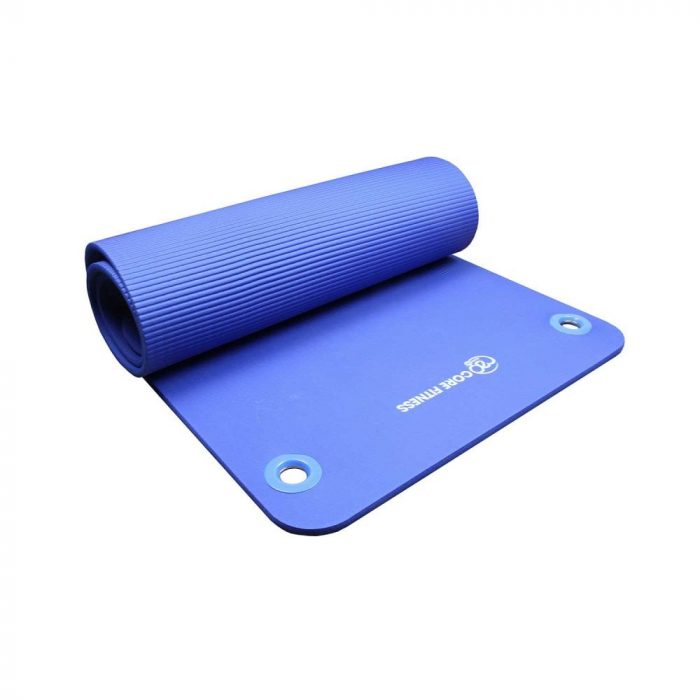
The Why: Unlike yoga, Pilates involves “rolling” on the spine (e.g., Rolling Like a Ball or Open Leg Rocker). A thin yoga mat offers zero protection for your vertebrae.
The Benefit: A 10mm mat provides the necessary cushioning to protect your bony landmarks. This allows you to perform spinal articulation exercises without pain, ensuring you are actually mobilising the spine rather than bruising it.
The Resistance Ring
Fitness Mad Double Handle Pilates Resistance Ring (£27.99)
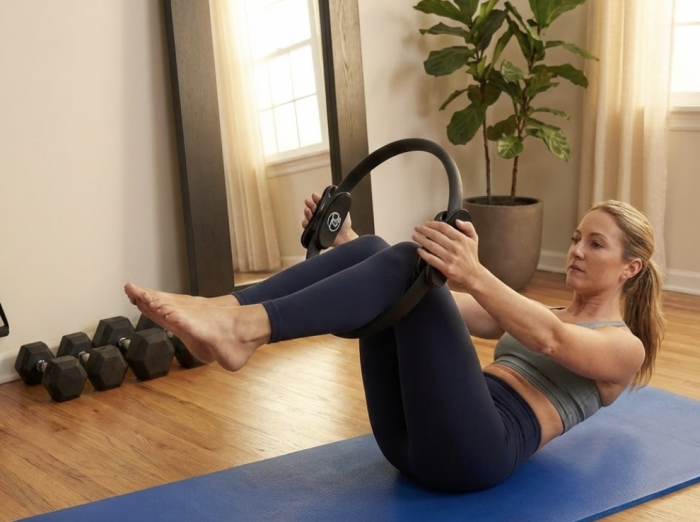
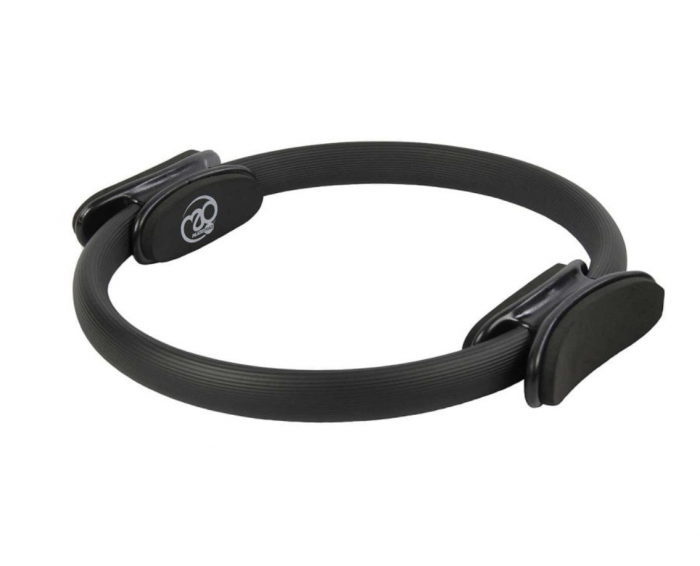
The Why: This simple ring creates “eccentric” resistance—strengthening muscles as they lengthen.
The Benefit: It targets the “hard to reach” stabilisers. Squeezing the ring between your ankles during leg lowers immediately engages the deep pelvic floor and inner thighs (adductors). Pressing it between your hands lights up the lats and pectorals, fixing the “rounded shoulder” posture common in office workers.
The Gym Ball
Technogym – Wellness Ball (£59.99)
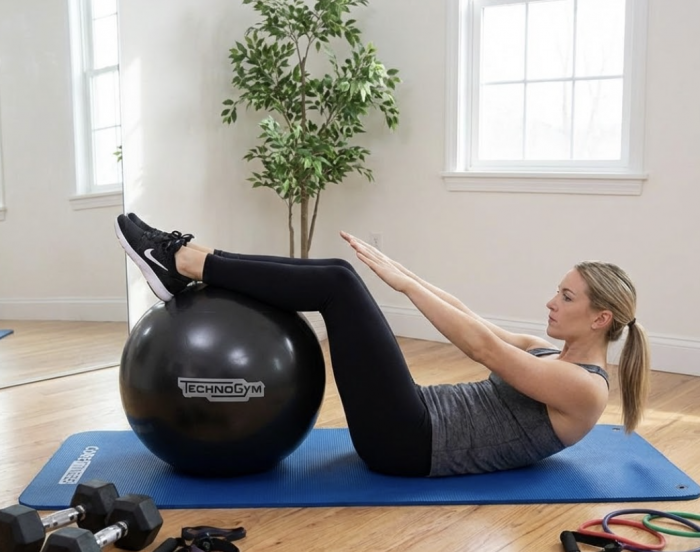
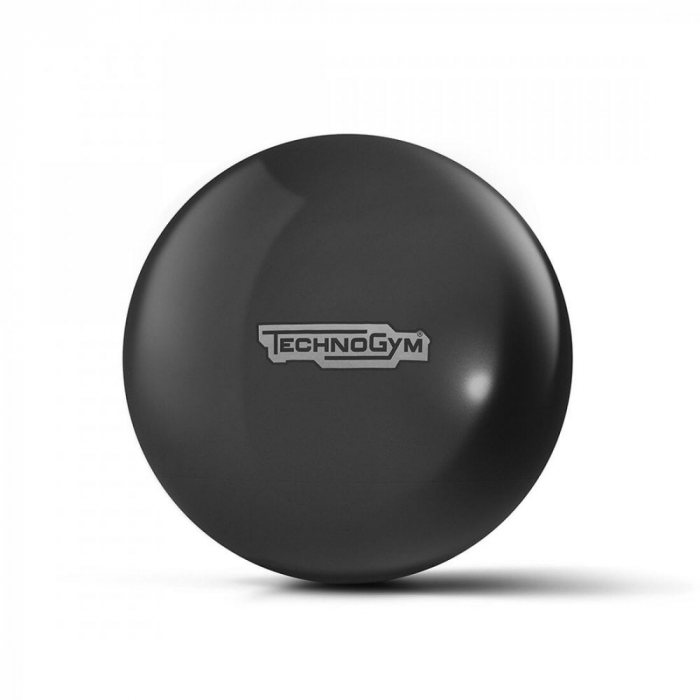
The Why: A Reformer creates instability with a moving carriage; a Gym Ball creates instability with a moving surface.
The Benefit: Doing a simple plank is hard. Doing a plank with your feet on a Gym Ball is elite. It forces your Powerhouse to make micro-adjustments every millisecond to stop you from falling. This builds bulletproof balance that translates directly to field sports.
Resistance Bands
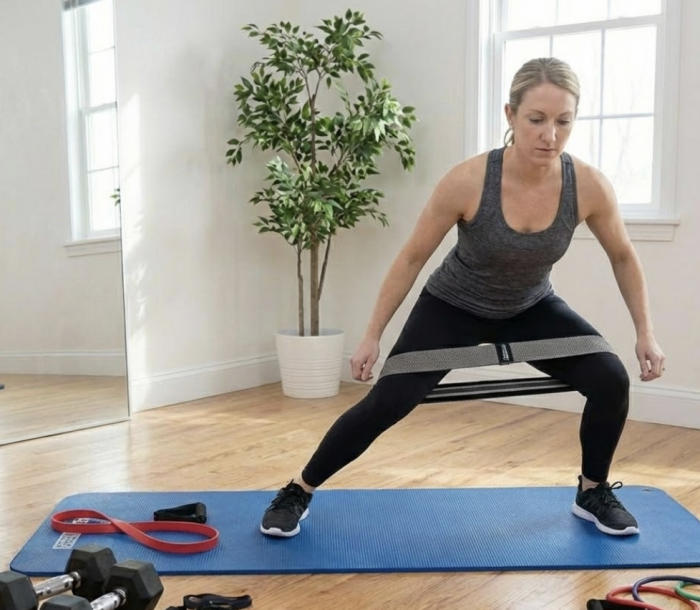
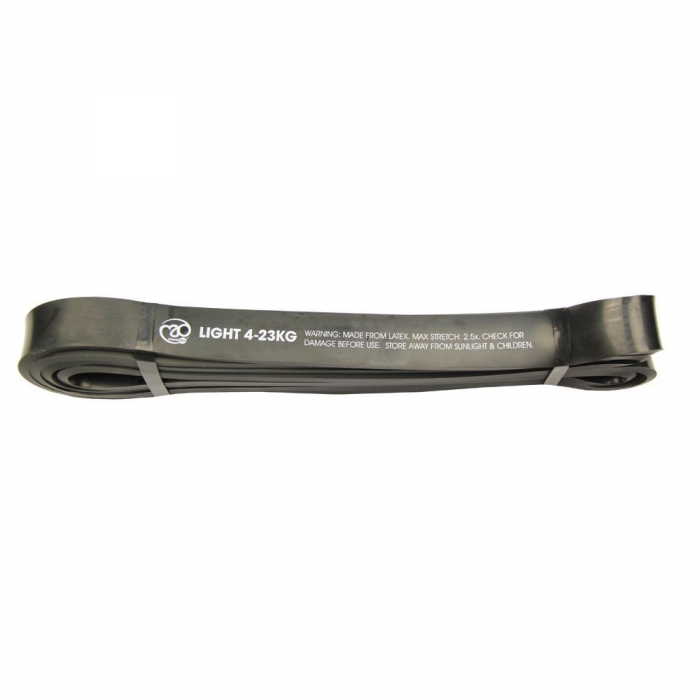
Fitness Mad – Power Resistance Loop
(Available in a range of strengths)
The Why: These mimic the springs of a Reformer.
The Benefit: They provide variable resistance—the more you stretch them, the harder it gets. This matches your muscles’ natural strength curve and is excellent for glute activation (e.g., “Clams” or “Crab Walks”) before a heavy squat session.
Real-World Application:
- Runners use the Resistance Ring to strengthen hip adductors, preventing “Runner’s Knee” and IT Band syndrome.
- Weightlifters use the Gym Ball for “Dead Bugs” to teach their core to brace under load, protecting their lower back during deadlifts.
- Tennis Players use Resistance Bands to build shoulder stability, allowing them to generate power without risking rotator cuff tears.
By adding these tools to your gym bag, you aren’t just “doing Pilates”; you are actively correcting the imbalances caused by your main sport.
Protect your performance with FitKit today
You don’t need expensive reformer machines to get the benefits of Pilates. By using a thick mat, a resistance ring, and instability tools, you can build a body that is resilient, aligned, and ready for peak performance. Make sure to shop the full list of functional fitness equipment available at FitKit today.
Read On:
Comments are closed here.