
Zone 2 Training: Why Going Slower Is the Key to Going Longer

Key Takeaways
- Slower is better for fat-burning: Zone 2 is a very comfortable, low-intensity effort (60–70% of your max heart rate). If you can’t easily hold a conversation or breathe through your nose, you are going too fast!
- It builds your fitness foundation: Spending time in this sweet spot trains your body to use fat for fuel instead of sugar, boosts your daily energy levels, and speeds up your workout recovery.
- Consistency beats intensity: To get the best results, aim for 3 to 4 sessions a week of steady, uninterrupted movement (like indoor cycling or brisk incline walking) for 45 to 60 minutes per session.
Jump To:
- Definitions You Need To Know
- Heart Rate Zones Explained
- Zone 2 vs. Zone 3 Training
- Benefits of Zone 2 Training
- Tips for Staying in Zone 2
- Zone 2 FAQs
If you want to get fitter, burn fat, and build endurance, you might think you need to leave a pool of sweat on the floor every single workout. But what if the secret to better fitness actually involves slowing down?
Welcome to Zone 2 training. It is the foundation of great health and long-lasting energy. Instead of pushing yourself to the point of exhaustion, Zone 2 focuses on a comfortable, steady pace. This guide breaks down the science into plain English, showing you exactly how to find your zone, what equipment to use, and how to build a routine that works for your life.
Simple Definitions to Get You Started
Before we dive in, let’s clear up some fitness jargon:
- Zone 2: A comfortable, low-intensity exercise zone where your heart rate is elevated, but you can still easily hold a conversation.
- Max Heart Rate (Max HR): The fastest your heart can safely beat in one minute. Zone training is based on percentages of this number.
- The “Talk Test”: The easiest way to tell if you are in Zone 2. If you can speak in full sentences without gasping, you are in the right place.
- Aerobic Base: Your body’s foundational fitness level. A bigger aerobic base means you can exercise longer and recover faster.
- Fat Oxidation: A fancy term for your body burning stored fat for energy instead of using quick-burning sugars.
The 5-Tier Heart Rate Zone Pyramid
To find your Zone 2 workout heart rate, it helps to understand the full picture. Think of your heart rate zones as a pyramid. You want to spend most of your time building the wide, sturdy base at the bottom, and only a little time at the very top.
| Zone 5: Maximum Effort | 90–100% Max HR | The Peak: All-out sprinting. You are breathing heavily and can only keep this up for a few seconds to a minute. |
| Zone 4: Hard Effort | 80–90% Max HR | The Burn: Intense exercise where your muscles start to burn. You can’t speak more than a single word at a time. Good for short, high-intensity intervals (HIIT). |
| Zone 3: Moderate Effort | 70–80% Max HR | The Middle Ground: You are working hard and breathing heavier. You can speak, but only in short, choppy sentences. |
| Zone 2: Light Effort | 60–70% Max HR | The Sweet Spot: The ultimate fat-burning zone. You are working up a light sweat but can comfortably chat with a friend the whole time. |
| Zone 1: Very Light Effort | 50–60% Max HR | The Warm-Up: A casual stroll or easy stretching. Great for warming up, cooling down, or recovering the day after a hard workout. |
Zone 2 vs Zone 3 Training
One of the biggest mistakes people make is accidentally pushing into Zone 3 when they are trying to do a Zone 2 workout. Zone 3 feels like a “better” workout because it’s harder, but it actually stops your body from relying purely on fat for fuel and makes you too tired for your next session.
Here is how to tell them apart:
| Feature | Zone 2 Training | Zone 3 Training |
| Effort Level | Easy to moderate. | Moderate to hard. |
| The “Talk Test” | Can easily talk in full, unbroken sentences. | Need to pause for breath after a few words. |
| Main Fuel Used | Burns primarily fat. | Burns a mix of fat and quick sugars (carbs). |
| How You Feel After | Energised, fresh, and slightly sweaty. | Tired; your legs might feel heavy. |
| The Goal | Building a massive endurance base and burning fat. | Improving heart strength and race pacing. |
Benefits of Zone 2 Training
Why should you spend time training in Zone 2?
Here is what Zone 2 training does for your body:
- Turns You Into a Fat-Burning Machine: It teaches your body to prefer burning fat for energy, which is great for body composition and steady energy levels.
- Builds Cellular Energy: It increases the number of “energy factories” (mitochondria) in your cells, giving you more stamina for daily life.
- Speeds Up Recovery: Because it is so low-impact, it increases blood flow and helps heal sore muscles without adding extra stress to your body.
- Better Heart Health: It is amazing for lowering blood pressure and keeping your heart strong as you age.
Top Tips for Staying in Zone 2

Staying slow can actually be surprisingly difficult! Here are the best ways to ensure you don’t accidentally push too hard:
- Breathe Through Your Nose: If you have to open your mouth to gasp for air, you are going too fast. Slow down until you can breathe comfortably through your nose.
- Call a Friend: Put on your headphones and make a phone call. If the person on the other end can clearly tell you are working out because you are panting, lower your intensity.
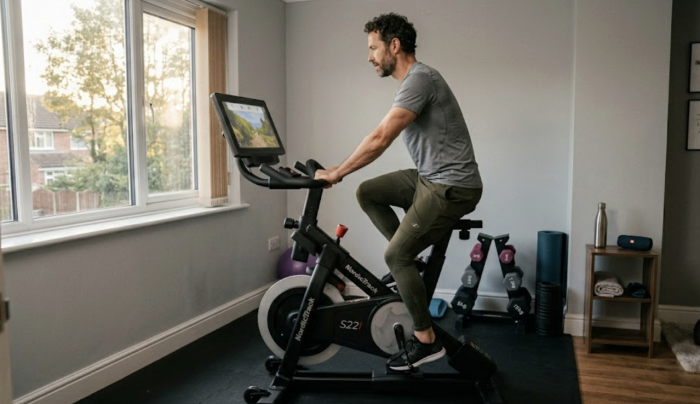
- Control Your Environment: Running outdoors means hills, wind, and traffic lights, which cause your heart rate to spike. Using home cardio equipment (like an exercise bike, treadmill, or rower) lets you lock in a perfectly steady pace.
- Use a Heart Rate Monitor: A smartwatch or chest strap is the most accurate way to keep your heart rate locked between that 60% to 70% window.
Zone 2 Workout FAQs
What is a good Zone 2 workout?
The best Zone 2 workout is one where you can keep your heart rate perfectly steady without stopping. Indoor cycling, brisk incline walking on a treadmill, using an elliptical machine, or easy rowing are fantastic options.
How long should a Zone 2 workout be?
To get the real fat-burning and energy-building benefits, you need to exercise continuously. Aim for 45 to 60 minutes per session. If you are just starting out, begin with 30 minutes and slowly work your way up.
How many Zone 2 workouts per week?
For an effective Zone 2 workout plan, try to fit in 3 to 4 sessions a week. Consistency is the secret here. Putting in the easy miles week after week is what transforms your fitness.
What to eat after a Zone 2 workout?
Because Zone 2 mostly burns fat, you don’t completely drain your body’s energy stores like you would after an intense boot camp class. You don’t need a massive, sugary recovery shake. Instead:
- Drink plenty of water: Rehydrate from the sweat you lost.
- Eat a normal, balanced meal: Have a solid serving of protein (like chicken, eggs, or tofu) to help your muscles recover, along with some healthy fats (like avocado or nuts) and complex carbs (like sweet potatoes or brown rice).
Put a Zone 2 Workout Into Practice with FitKit
Now you know everything there is to know about Zone 2 workouts, why not try one? At FitKit, we have a wide selection of cardio equipment you can add to your home gym, including Indoor bikes, treadmills, elliptical machines, and rowers.
If you are looking to up your endurance training, we also have a range of resources available on our blog, including our guide on How To Improve Your Endurance.
Read On:
Comments are closed here.